
Fine hair tends to go flat at the fringe by mid-afternoon unless the section is cut deep enough to hold its split. That’s why curtain bangs for fine hair start with a triangle often sectioned further back, cut from the nose to the cheekbone and blow-dried out with a round brush. Plan on a trim about every five weeks.
1. Classic Curtain Bangs on a Long Cut
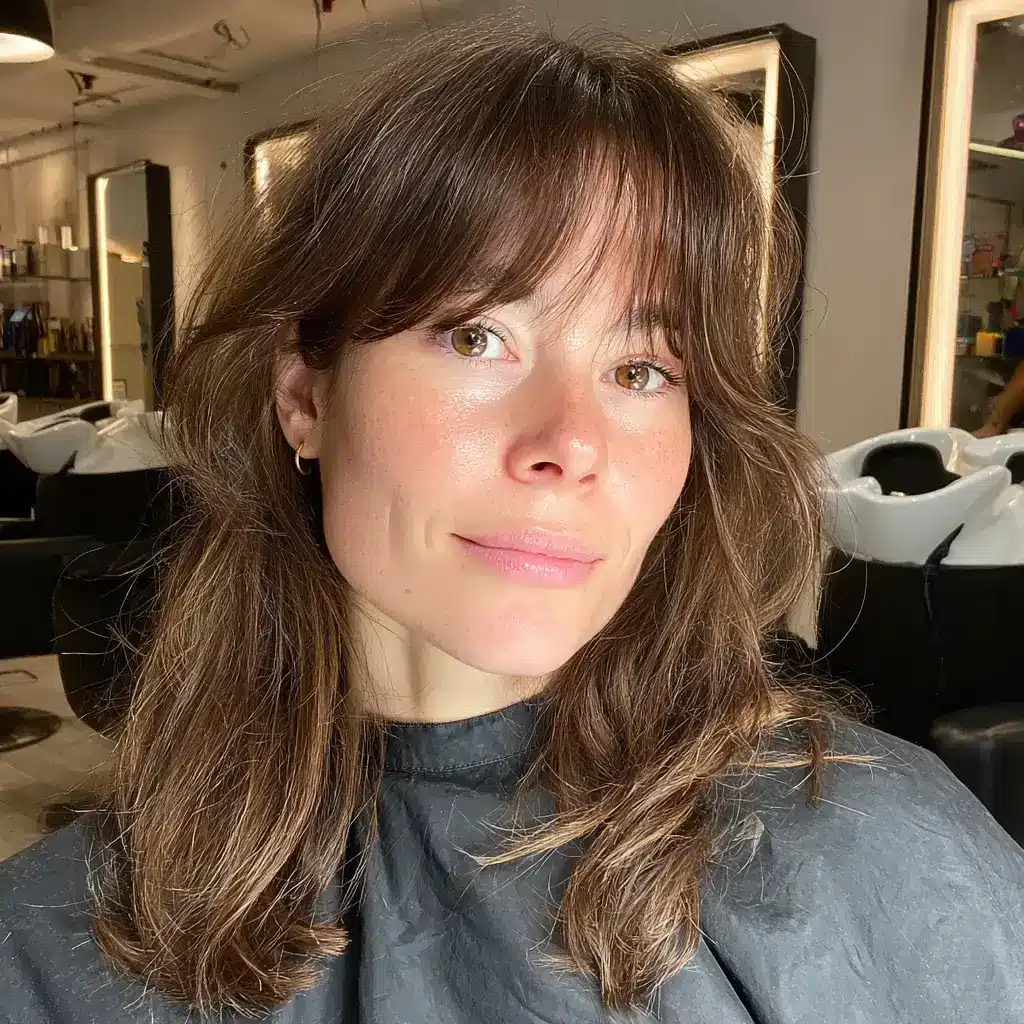
The classic curtain bangs fine hair clients ask for split at the center and sweep to the cheekbone. I section a shallow triangle at the front hairline, cut from the nose to the cheekbone with the shears angled away from the center, then point cut the ends. It suits fine density and square or round faces. Blow-dry out with a round brush rolling away from the face. Trim every five weeks.
2. Wispy Curtain Bangs
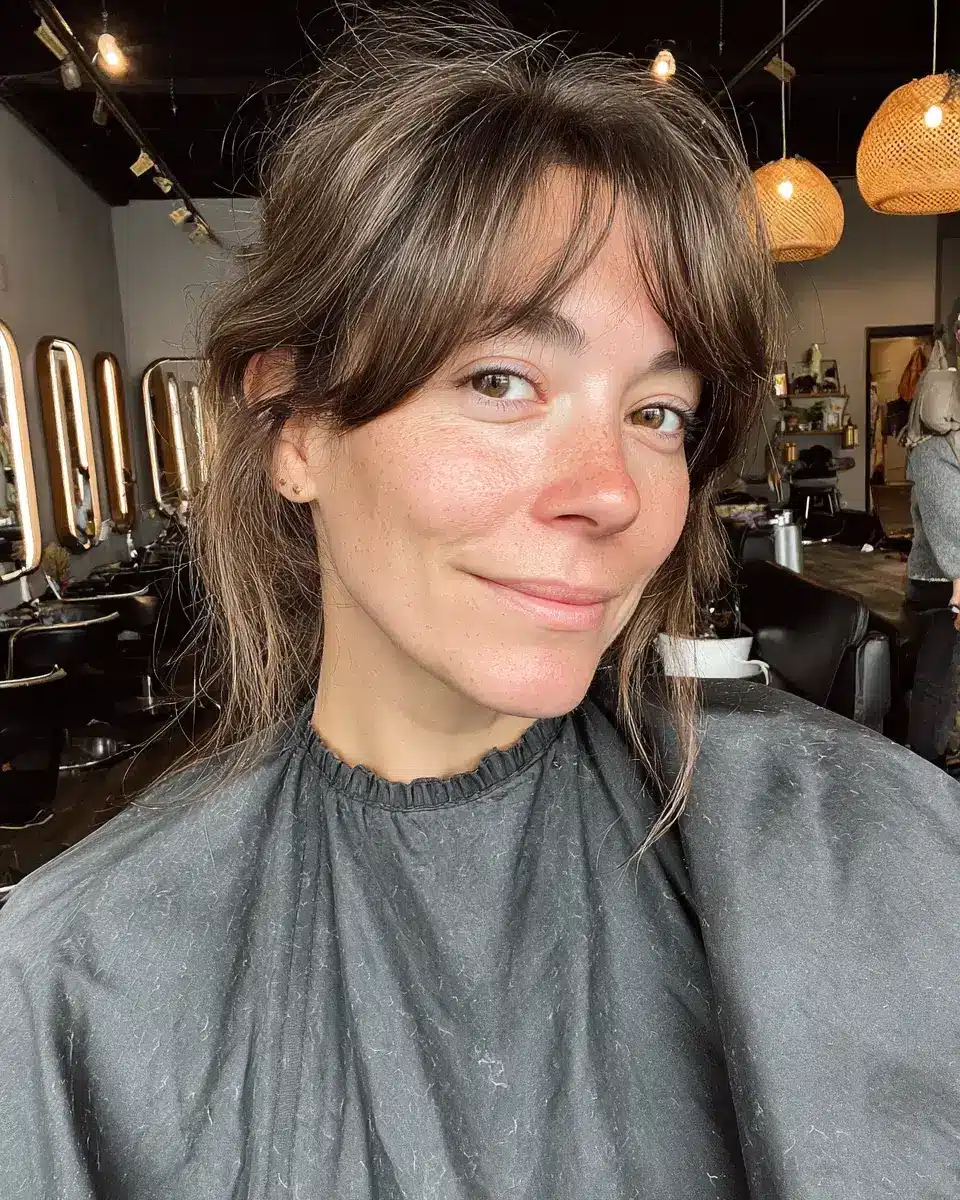
Wispy curtain bangs take almost no hair from the top. I section a narrow triangle, cut from the brow to the cheekbone on each side, then point cut until the fringe reads see-through at the center. It suits fine density and oval or heart faces. Blow-dry with a small round brush and leave the ends soft. Trim every five weeks.
3. Curtain Bangs for Fine Hair With a Lob

Curtain bangs for fine hair pair well with a collarbone lob because the length balances the fringe. I cut the lob at the collarbone on dry hair with point cut ends, section a triangle, then cut the bangs from the nose to the cheekbone splitting at the center. It suits fine density and oval or round faces. Blow-dry the bangs out with a round brush. Trim the bangs every five weeks.
4. Short Curtain Bangs at the Brow
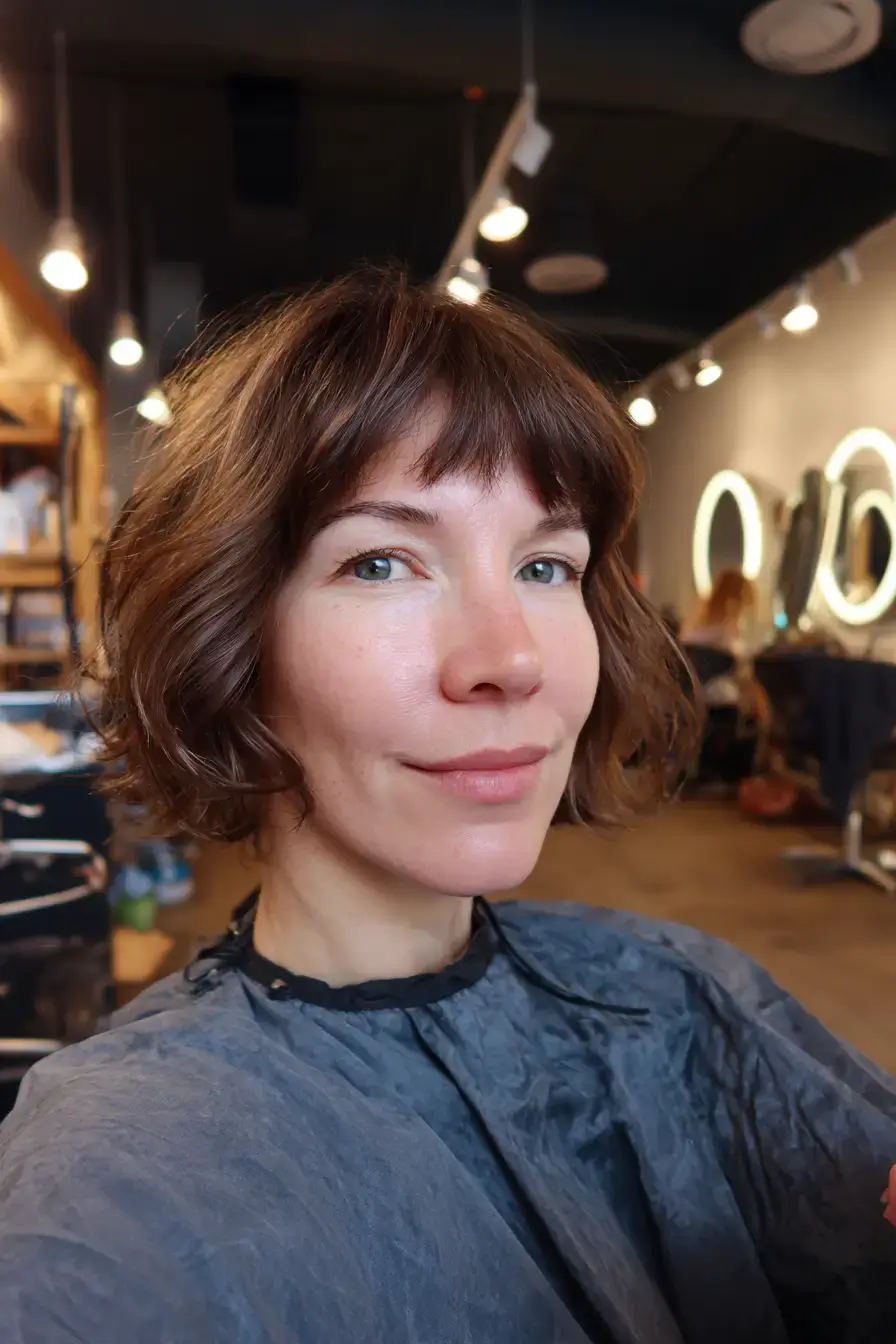
Short curtain bangs sit at the brow in the center and barely reach the cheekbone. I section a shallow triangle, cut the center at the brow, angle the sides to the top of the cheekbone, then point cut the ends. It suits fine density and oval or long faces. Blow-dry out with a small round brush. Trim every four weeks.
5. Long Curtain Bangs to the Jaw
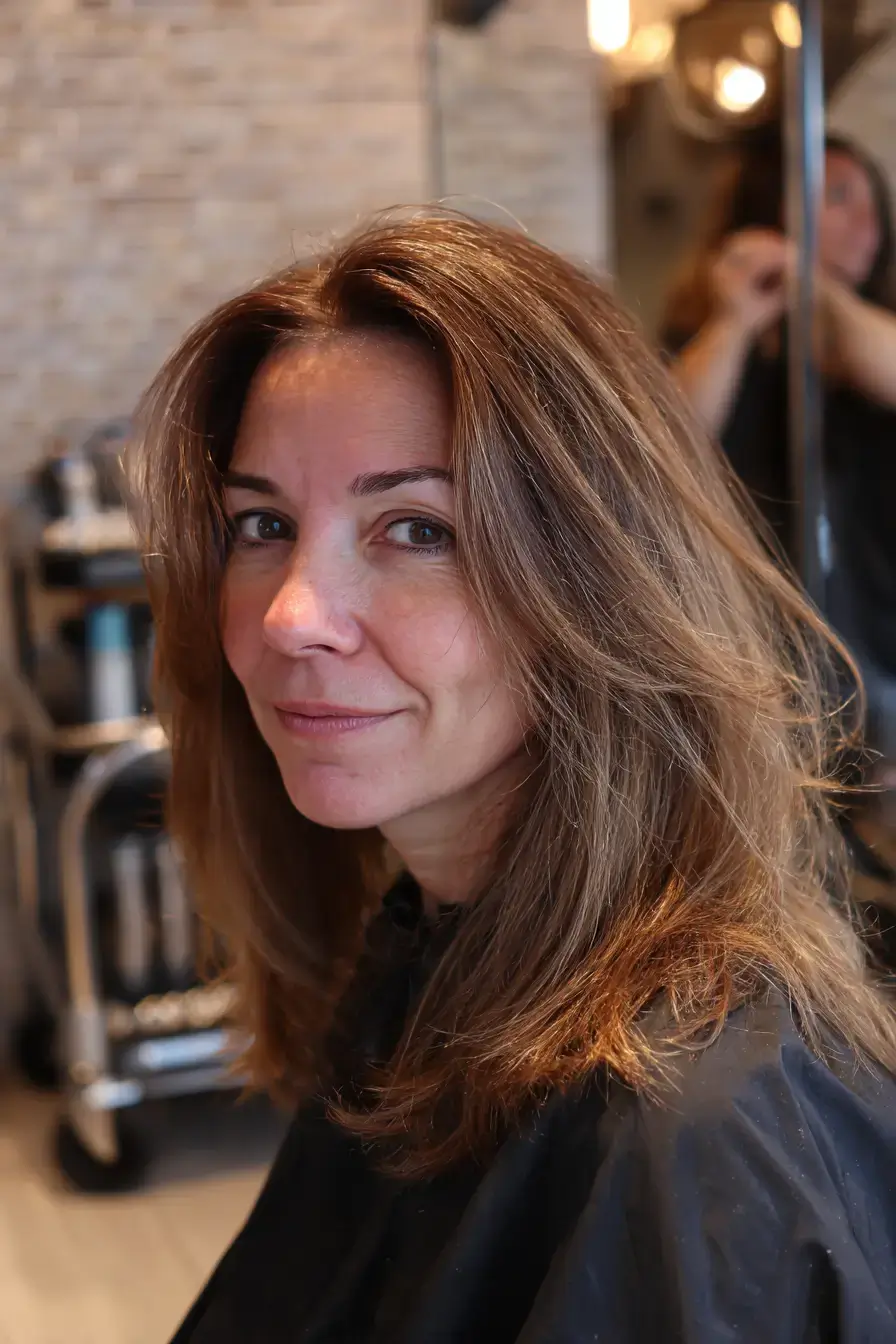
Long curtain bangs grow past the cheekbone to the jaw and read like face framing layers. I section a triangle, cut from the chin on each side with the shears angled down, then point cut the ends so they blend. It suits fine density and round or square faces. Blow-dry out with a round brush and tuck one side. Trim every six weeks.
6. Fine Hair Curtain Bangs Over 50
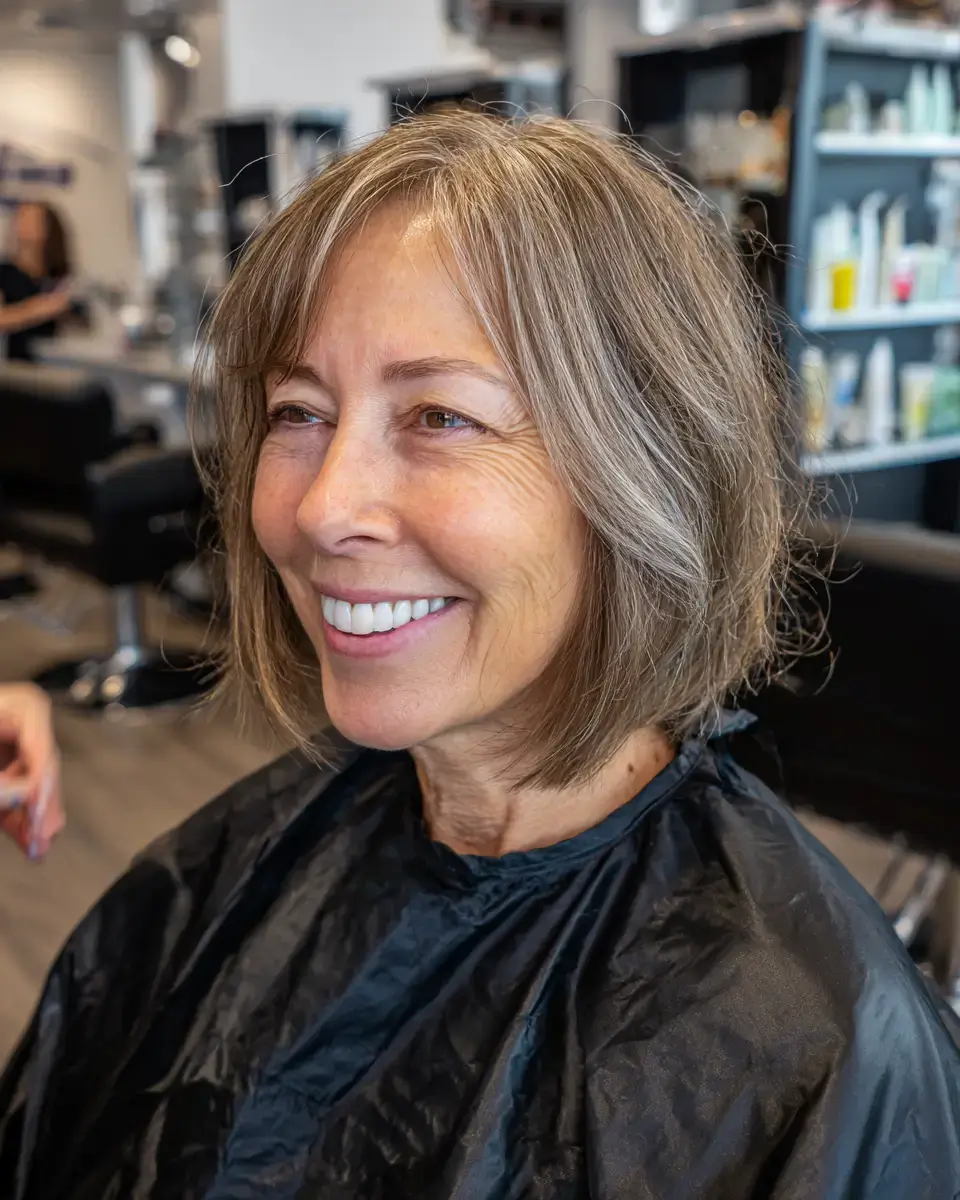
Fine hair curtain bangs over 50 do best sectioned deep so the fringe reads full. I section back to the crown, cut from the nose to the cheekbone splitting at the center, then point cut the ends. It suits fine density and most face shapes. Blow-dry out with a round brush and a root lifting mousse. Trim every five weeks.
7. Curtain Bangs With a Bob
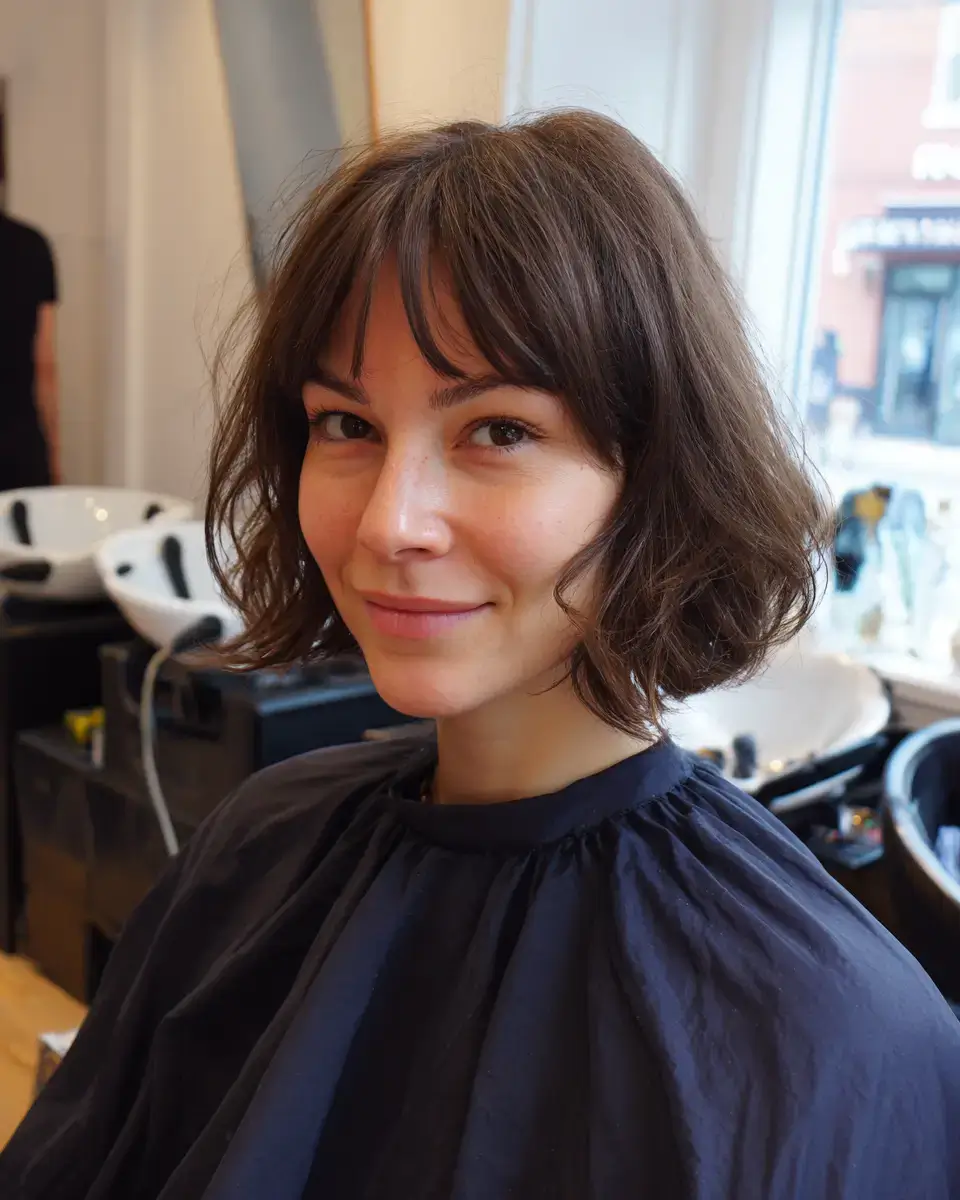
Curtain bangs on a chin length bob give fine hair a frame without taking weight from the back. I cut the bob at the chin on dry hair with point cut ends, section a triangle, then cut the bangs from the nose to the cheekbone. It suits fine density and oval or heart faces. Blow-dry the bangs out and the bob under with a round brush. Trim the bangs every five weeks.
8. Curtain Bangs With Highlights
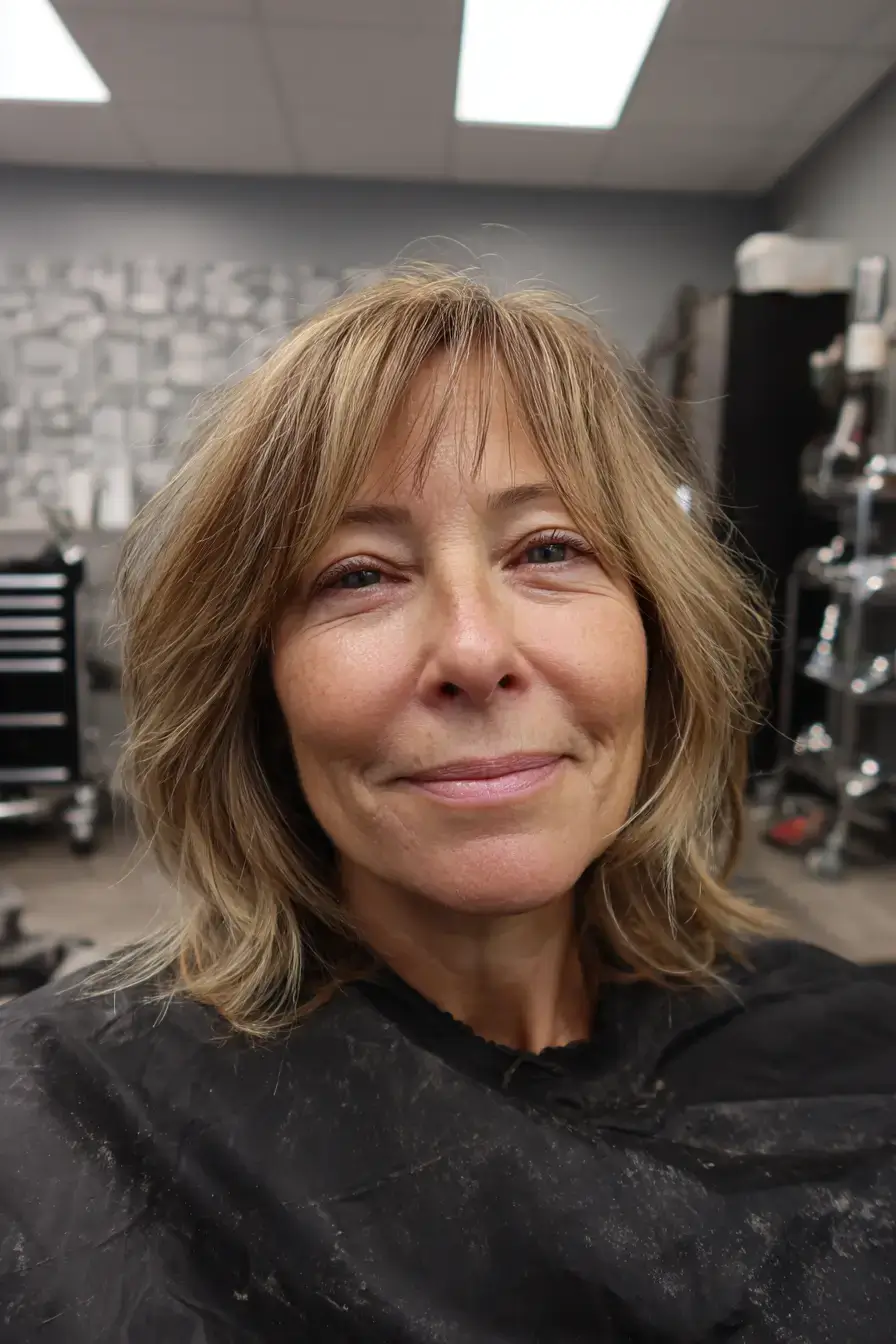
Highlights through curtain bangs make fine hair read fuller because every piece catches a different tone. I cut the bangs from the nose to the cheekbone splitting at the center, then foil fine level nine highlights through the bangs and top. It suits fine density and most skin tones. Blow-dry the bangs out with a round brush. Trim every five weeks and refresh the highlights every twelve.
9. Curtain Bangs With Face Framing Layers
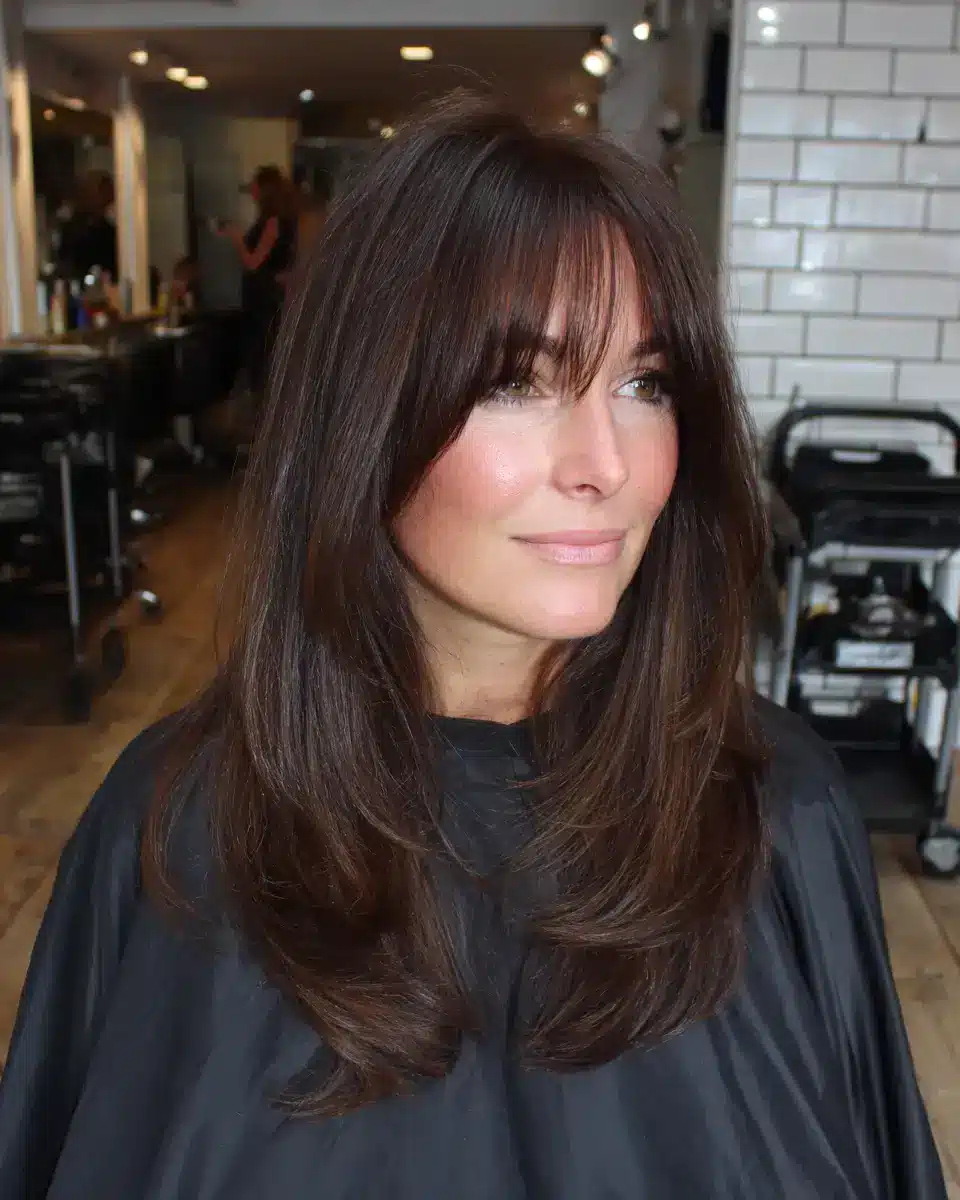
With curtain bangs fine hair looks fullest when the fringe runs straight into face framing layers at the cheek. I section a triangle, cut the bangs from the nose to the cheekbone, then point cut the front layers from the cheekbone down to the collarbone. It suits fine density and round or square faces. Blow-dry out with a round brush. Trim every five weeks.
10. Curtain Bangs for Fine Hair With Soft Waves
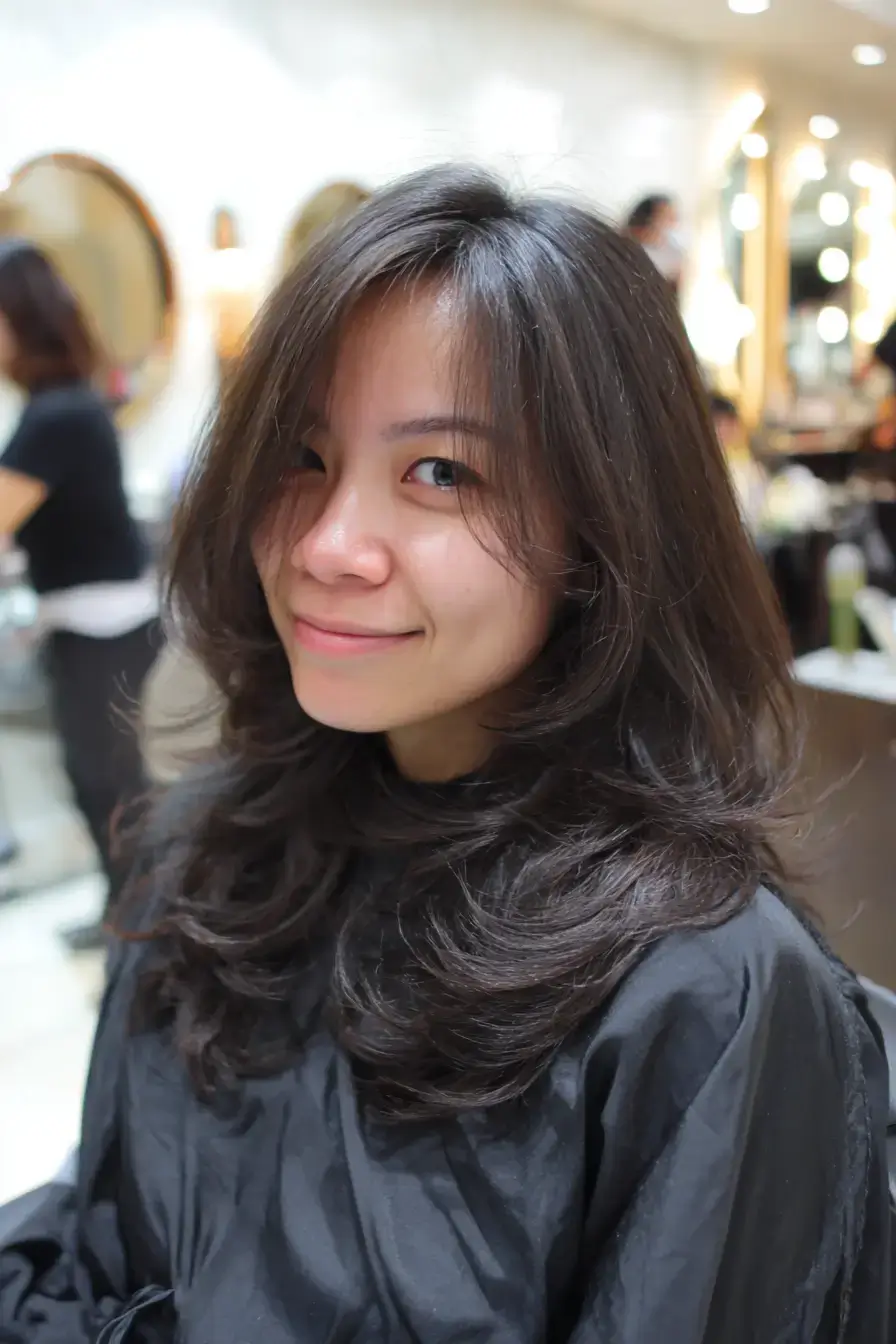
Soft waves behind curtain bangs for fine hair give the look of twice the density. I cut the bangs from the nose to the cheekbone splitting at the center, then point cut one layer at the collarbone. It suits fine density and oval or long faces. Wave the length with a one inch iron, blow the bangs out, and shake it out. Trim the bangs every five weeks.
11. Curtain Bangs With Root Lift
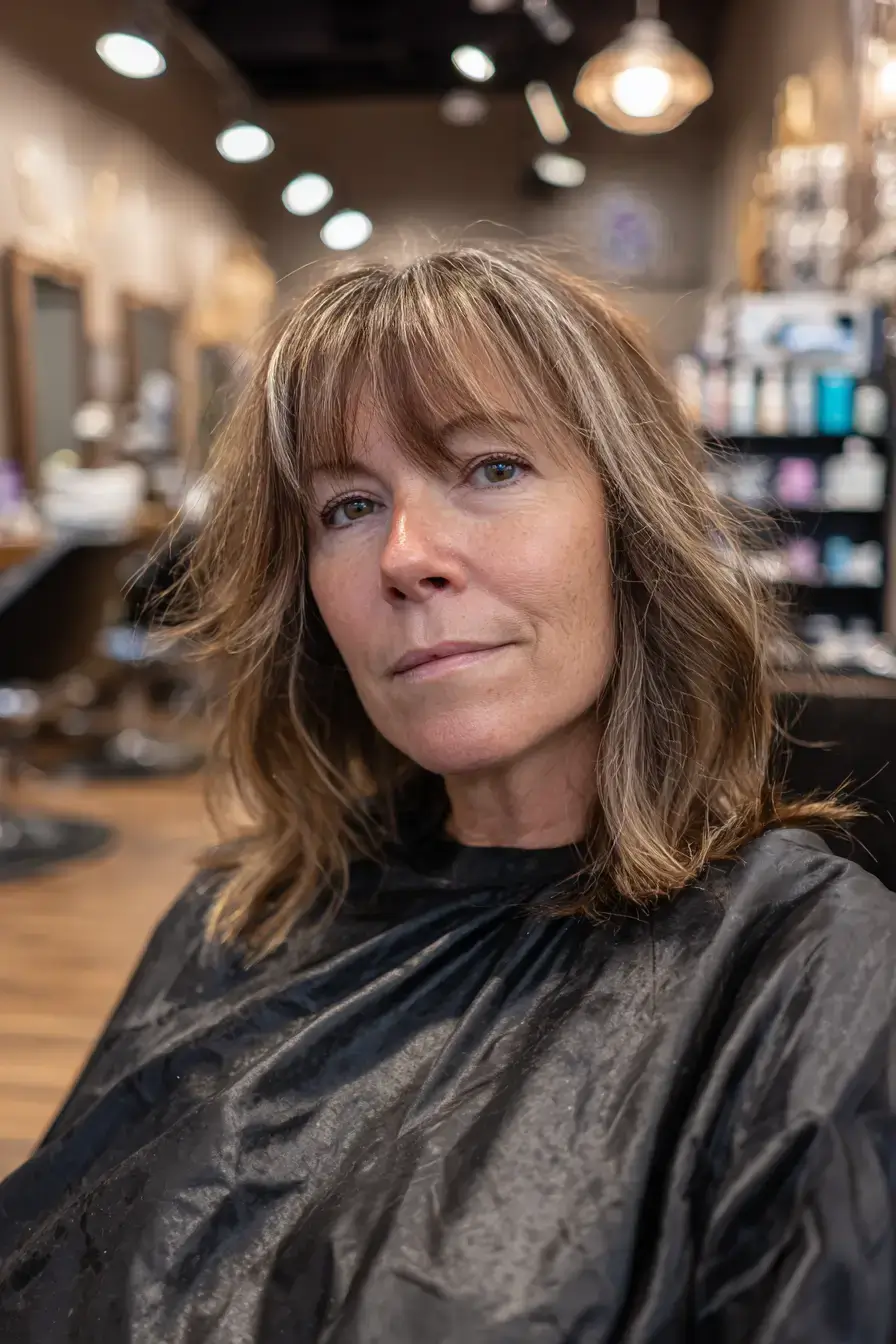
Root lift behind curtain bangs keeps fine hair from looking flat on top. I cut the bangs from the nose to the cheekbone splitting at the center, then point cut two short crown layers behind the section. It suits fine density and round or square faces. Blow-dry upside down with a root lifting mousse, then dry the bangs out with a round brush. Trim every five weeks.
12. Curtain Bangs With Money Piece
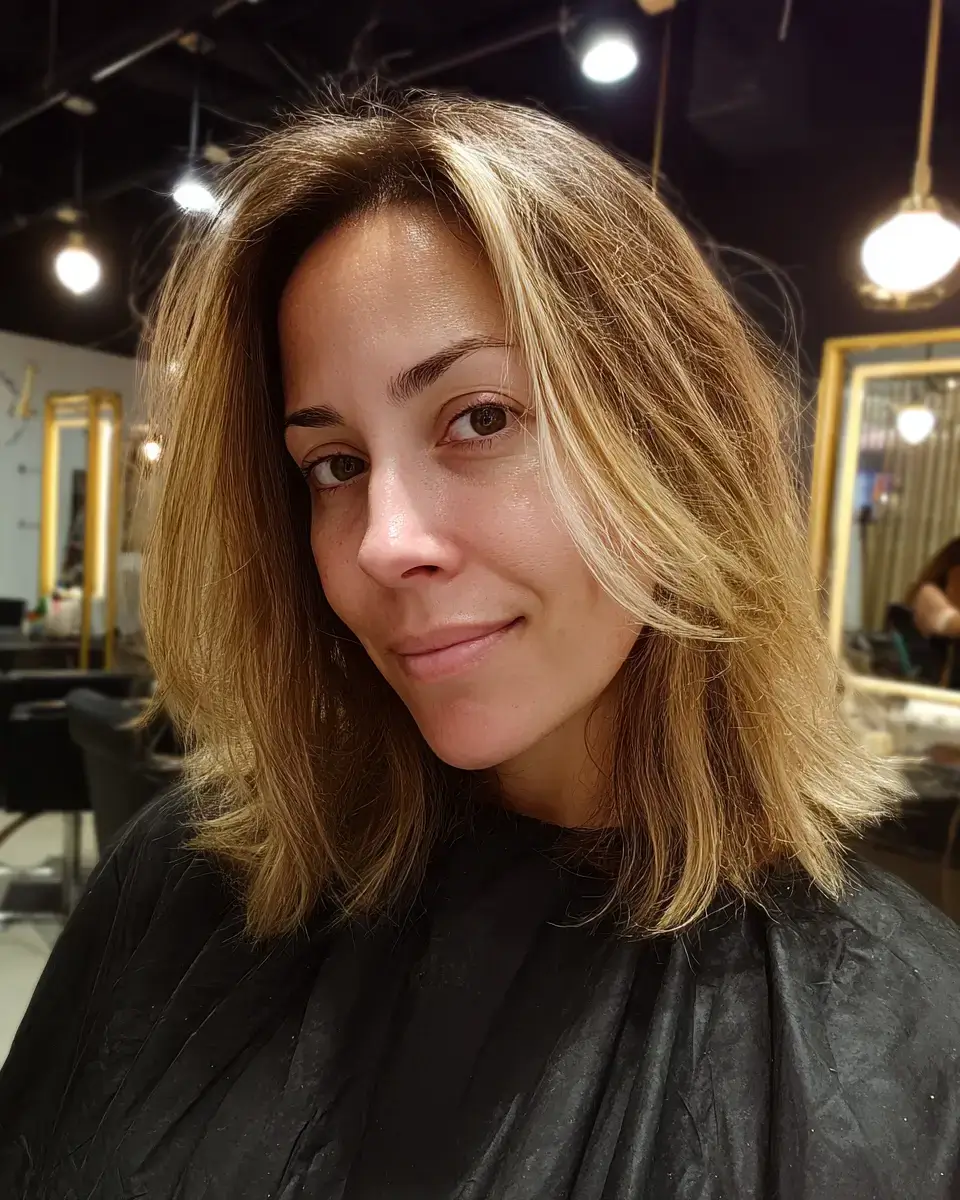
A money piece through curtain bangs brightens the whole face frame. I cut the bangs from the nose to the cheekbone splitting at the center, then lighten the bangs and the two front sections to a level nine and tone beige. It suits fine density and most skin tones. Blow-dry the bangs out with a round brush. Refresh the money piece every ten weeks and trim every five.
13. Fine Hair Curtain Bangs Over 60
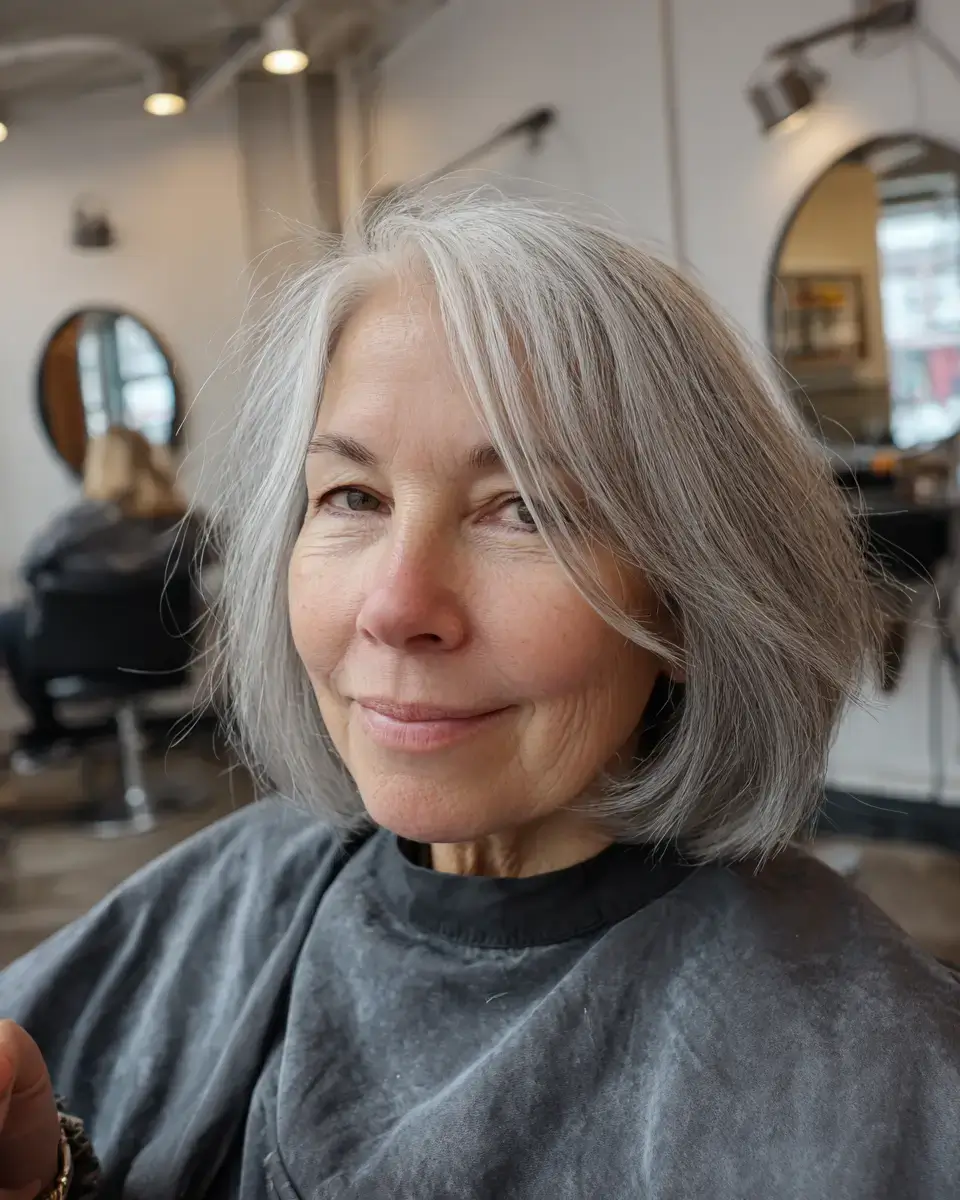
Fine hair curtain bangs over 60 hold best when cut a little shorter at the center. I section back to the crown, cut the center at the brow, angle the sides to the cheekbone, then point cut the ends. It suits fine density and most face shapes. Blow-dry out with a round brush and a root lifting mousse. Trim every five weeks and gloss every eight.
14. Curtain Bangs With Babylights
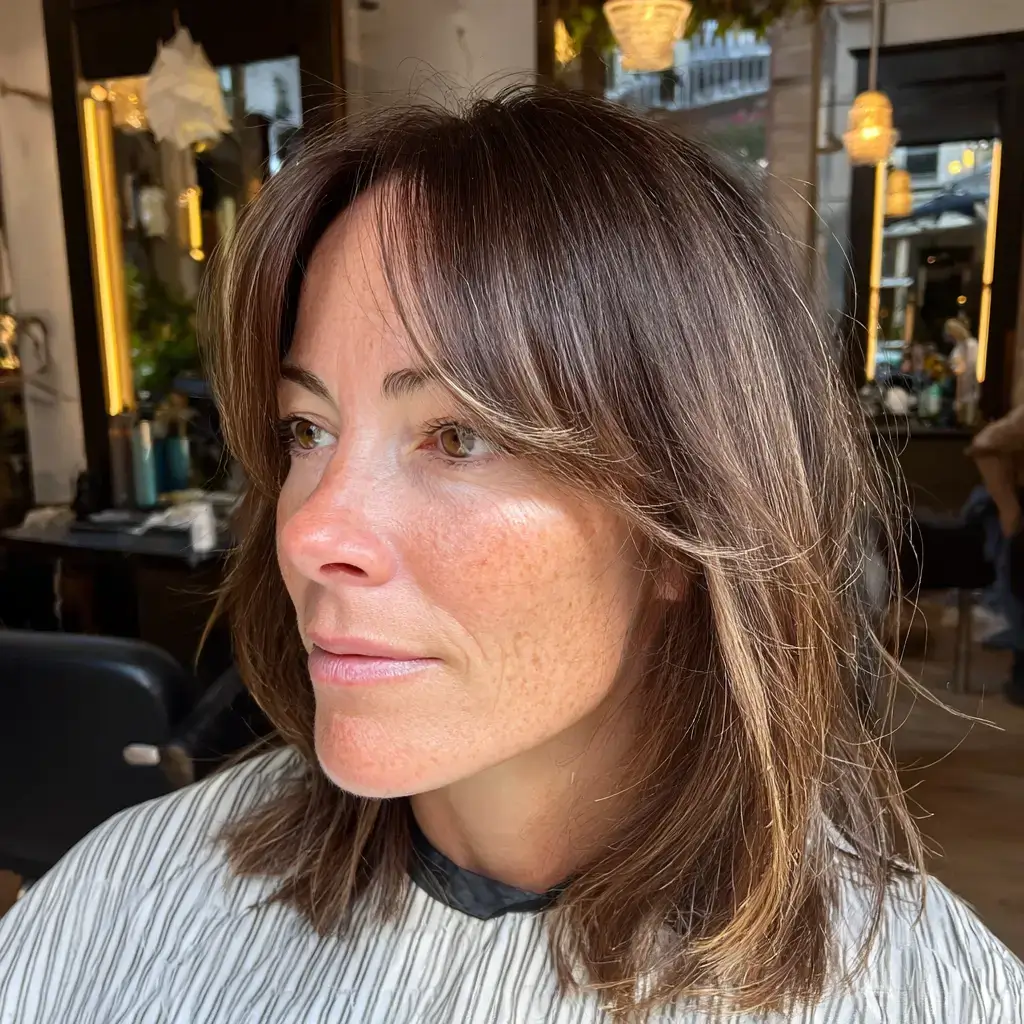
Babylights through curtain bangs are so fine the grow-out never shows. I cut the bangs from the nose to the cheekbone splitting at the center, then foil level nine babylights through the bangs and the whole head. It suits fine density and most skin tones. Blow-dry the bangs out with a round brush and finish with a light serum. Trim every five weeks and refresh the babylights every twelve.
15. Curtain Bangs on a Shoulder Length Cut
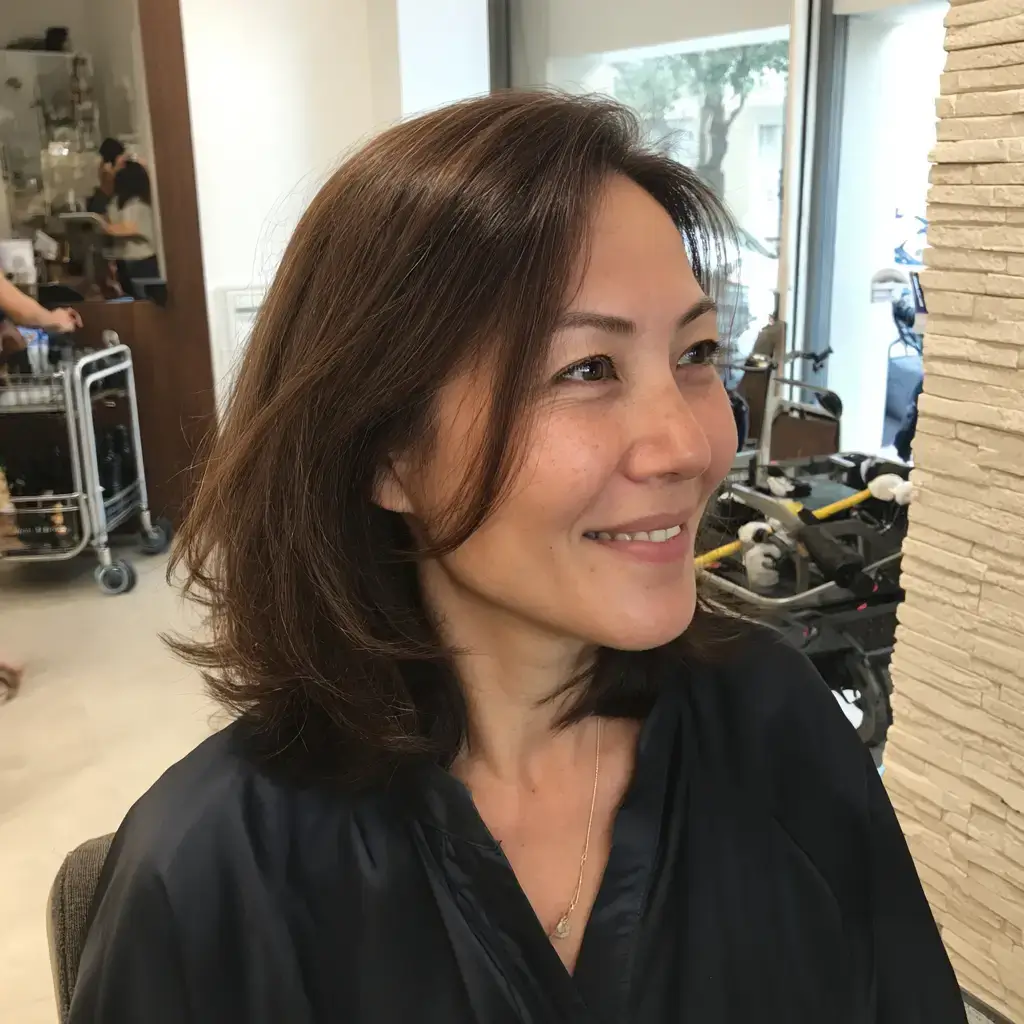
Curtain bangs on a shoulder length cut frame the eyes while the length stays simple. I cut the perimeter at the shoulder on dry hair with point cut ends, section a triangle, then cut the bangs from the nose to the cheekbone. It suits fine density and square or round faces. Blow-dry the bangs out with a round brush and the length under. Trim the bangs every five weeks.
16. Curtain Bangs With Glasses

With glasses, curtain bangs sit just above the frames at the center so the two lines never cross. I section a shallow triangle, cut the center a quarter inch above the frames, angle the sides to the cheekbone, then point cut the ends. It suits fine density and most face shapes. Blow-dry out with a small round brush. Trim every four weeks.
17. Curtain Bangs for Round Faces
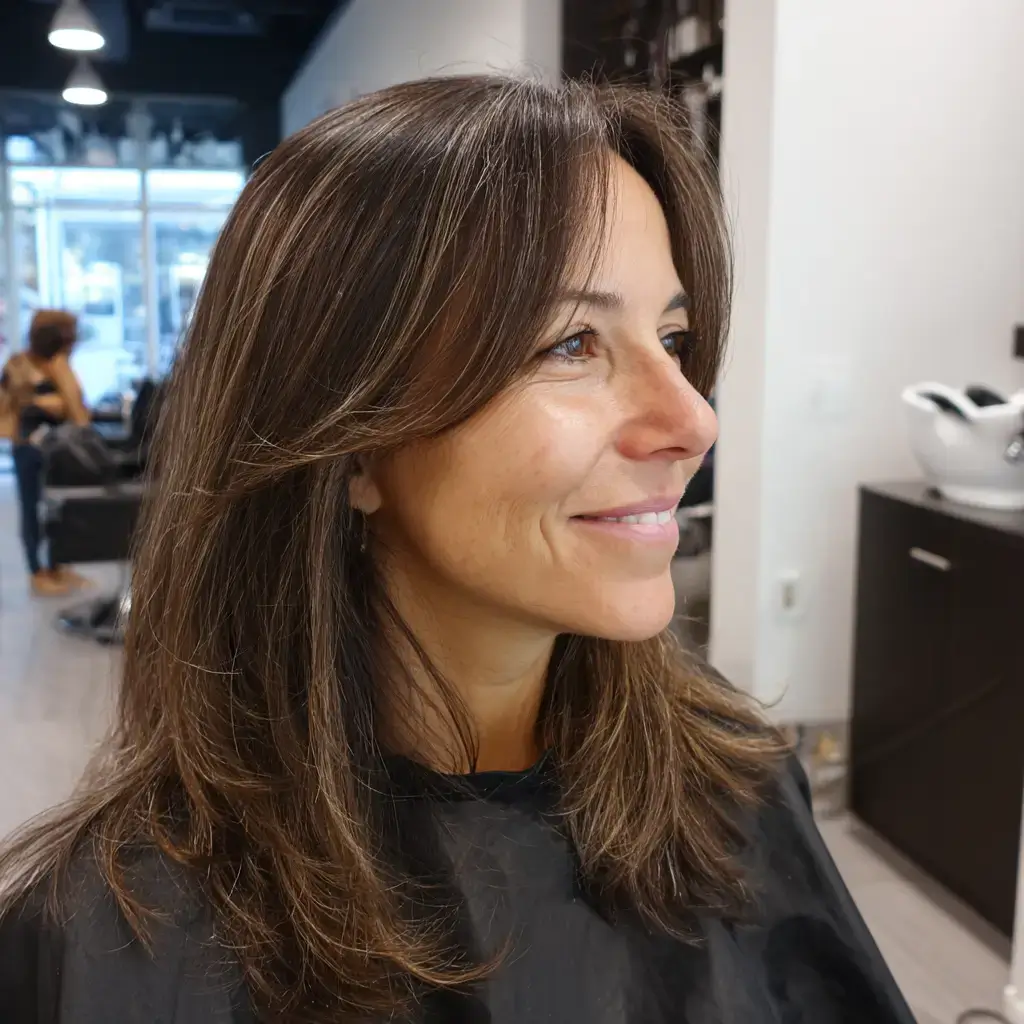
A round face takes curtain bangs cut longer so they angle past the cheekbone and break up the width. I section a triangle, cut from the cheekbone to the jaw on each side, then point cut the ends. It suits fine density and round faces. Blow-dry out with a round brush and lift the crown with a root lifting mousse. Trim every six weeks.
18. Curtain Bangs With Balayage
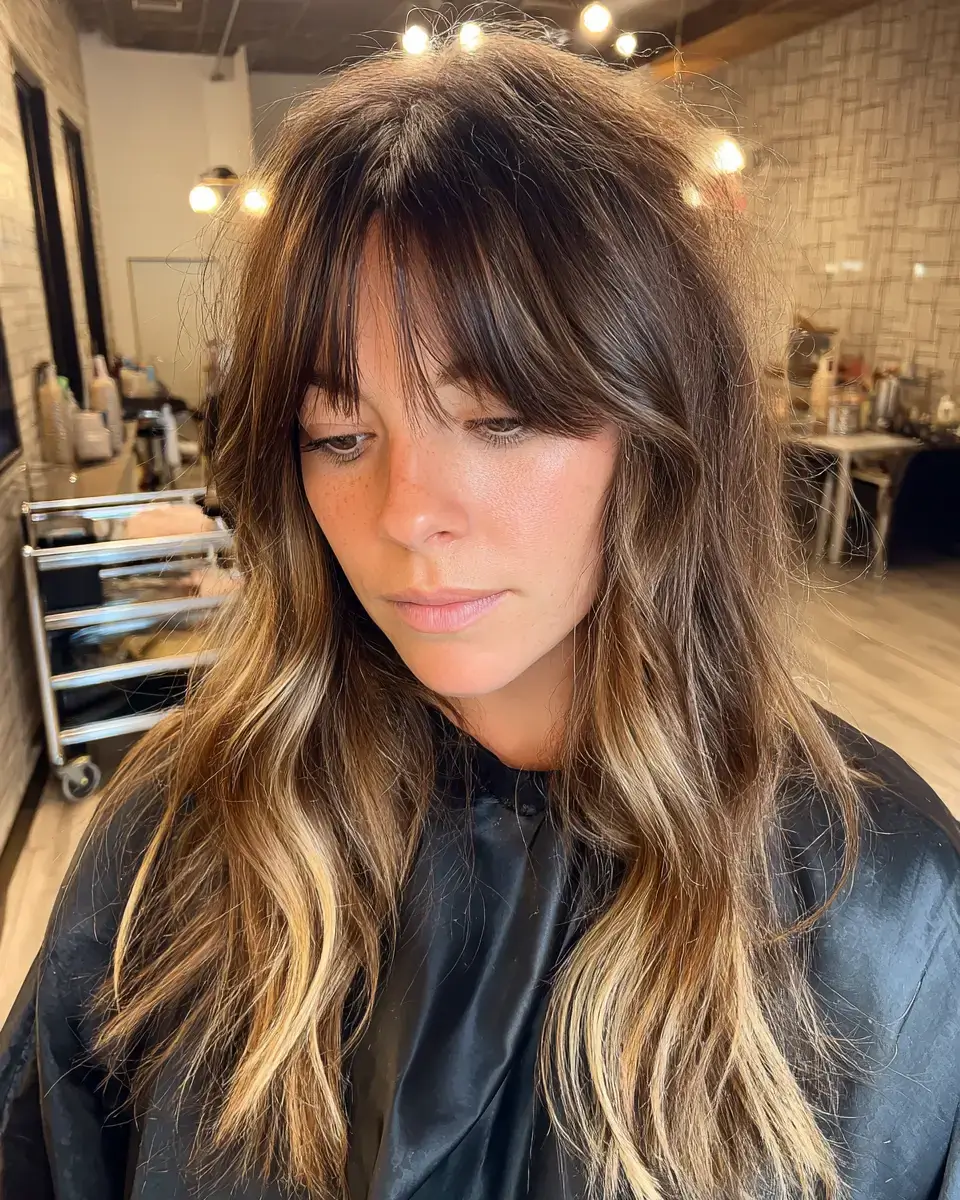
Balayage behind curtain bangs puts the light on the ends while the fringe stays soft. I cut the bangs from the nose to the cheekbone splitting at the center, then hand paint level nine through the bottom three inches and tone beige. It suits fine density and neutral skin tones. Blow-dry the bangs out with a round brush. Trim every five weeks and refresh the balayage every sixteen.
19. Air Dried Curtain Bangs
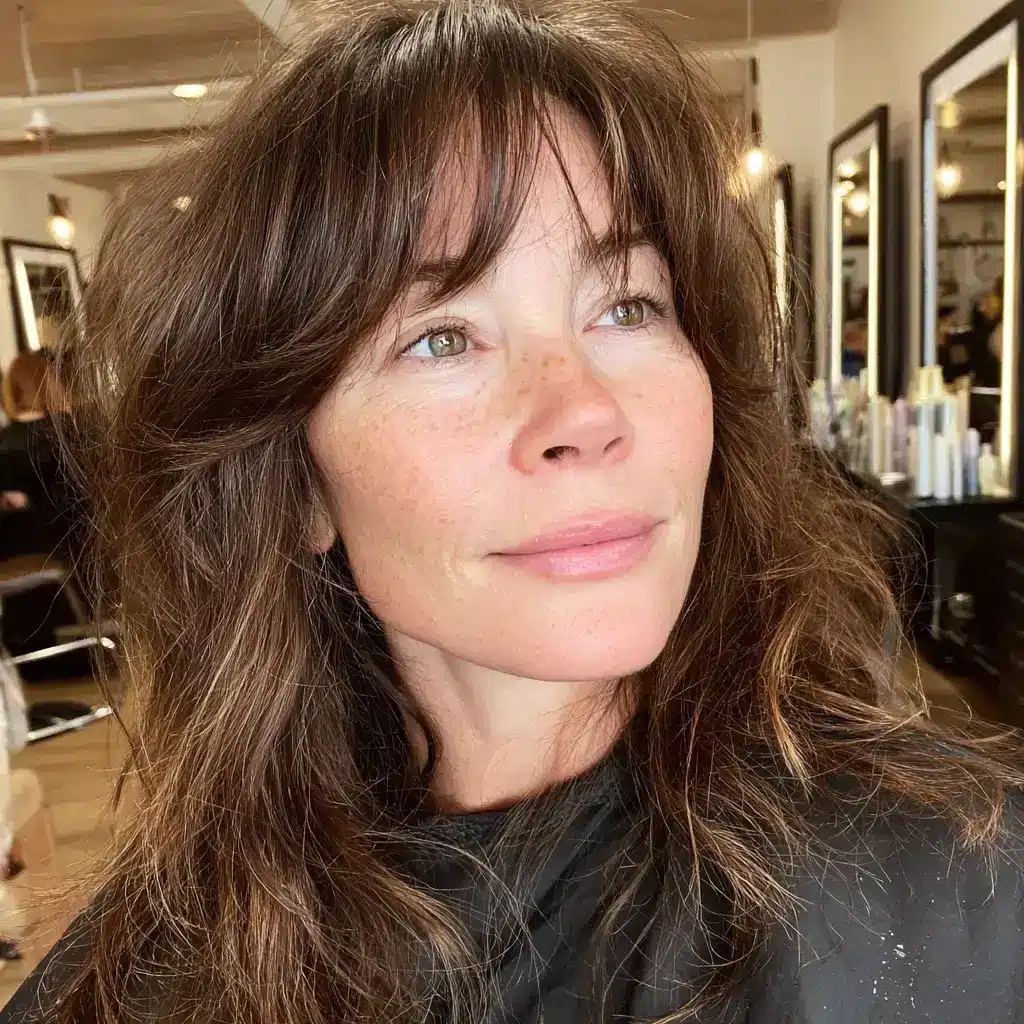
Air dried curtain bangs need a cut that splits on its own. I section a narrow triangle, cut from the nose to the cheekbone splitting at the center, then texturize so no piece sits heavier than the next. It suits fine density and 1C to 2B texture. Apply a light cream to damp bangs, part at the center, and leave them alone until dry. Trim every five weeks.
20. Curtain Bangs With Lowlights

Lowlights behind curtain bangs give fine hair its shadow back. I cut the bangs from the nose to the cheekbone splitting at the center, then weave level six lowlights through the interior behind the section and gloss the ends. It suits fine density and most skin tones. Blow-dry the bangs out with a round brush and a root lifting mousse. Trim every five weeks and refresh the lowlights every twelve.
21. Curtain Bangs for Fine Hair With a Center Part

Curtain bangs for fine hair show their symmetry with a center part behind them. I part at the center, section a triangle, cut from the nose to the cheekbone on both sides, then point cut the ends. It suits fine density and oval or long faces. Blow-dry both sides out with a round brush rolling away from the face. Trim every five weeks.
22. Glossed Curtain Bangs
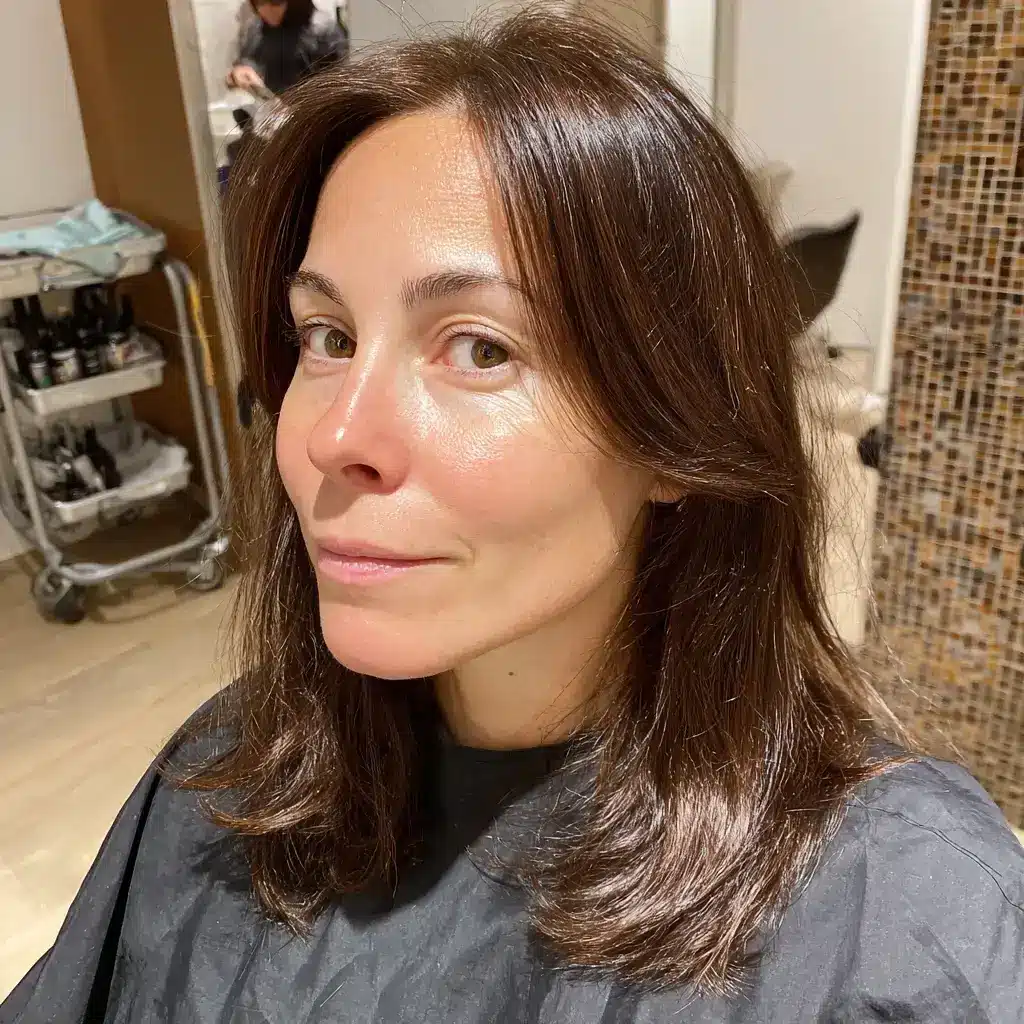
A gloss on curtain bangs makes the fringe catch light first. I cut the bangs from the nose to the cheekbone splitting at the center, then apply a clear demi at the bowl for fifteen minutes to close the cuticle. It suits fine density and every skin tone. Blow-dry the bangs out with a round brush and finish with serum. Gloss every six weeks and trim every five.
23. Feathered Curtain Bangs
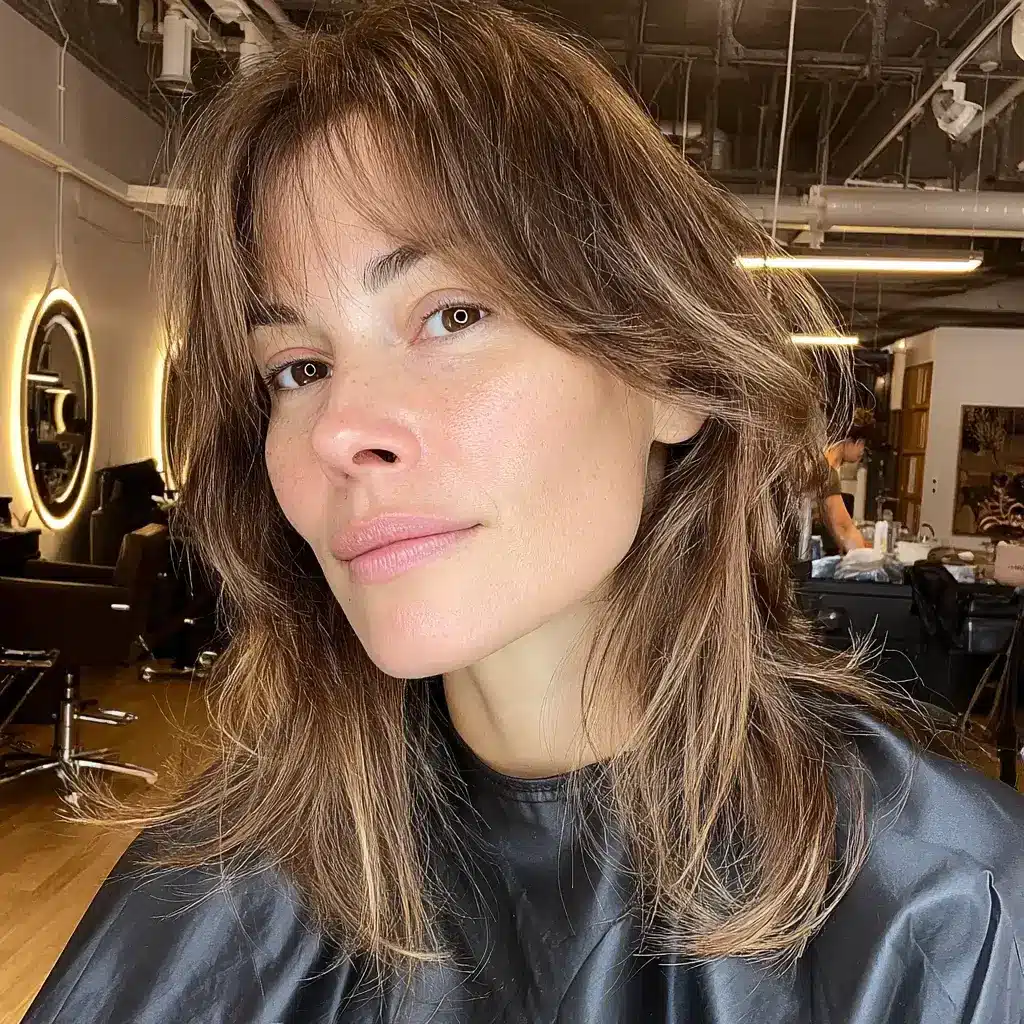
Feathered curtain bangs come from the razor held almost flat. I section a triangle, cut from the nose to the cheekbone, then razor the last inch with the blade nearly parallel to the hair. It suits fine density and oval or long faces. Blow-dry out with a round brush rolling away from the face and set with a light hairspray. Trim every five weeks.
24. Ash Blonde Curtain Bangs
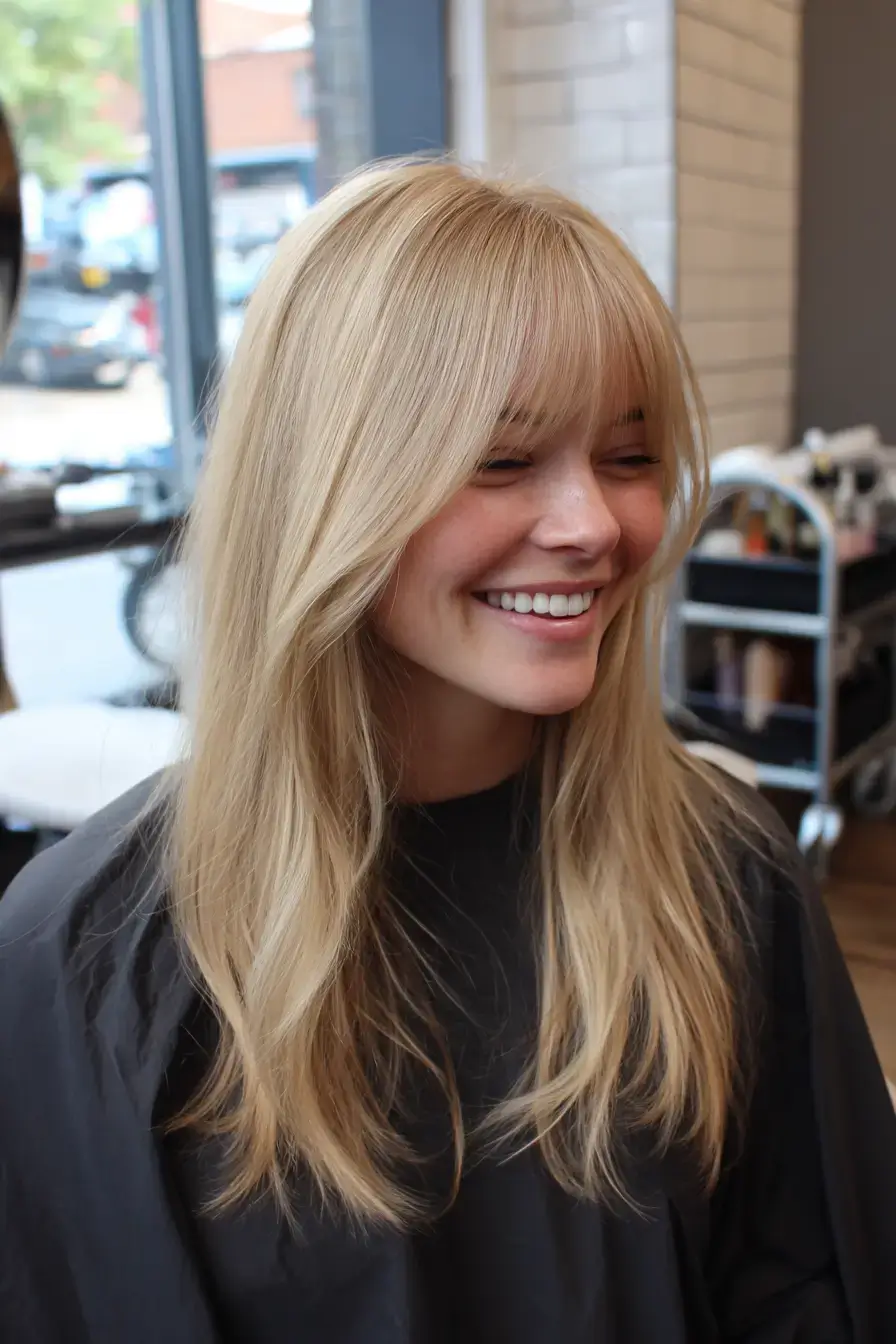
Ash blonde through curtain bangs reads cool against the forehead. I cut the bangs from the nose to the cheekbone splitting at the center, then lift to a level nine and tone ash at the bowl. It suits fine density and cool skin tones. Blow-dry the bangs out with a round brush and use a violet shampoo weekly. Trim every five weeks and retouch every eight.
25. Curtain Bangs Clipped Back
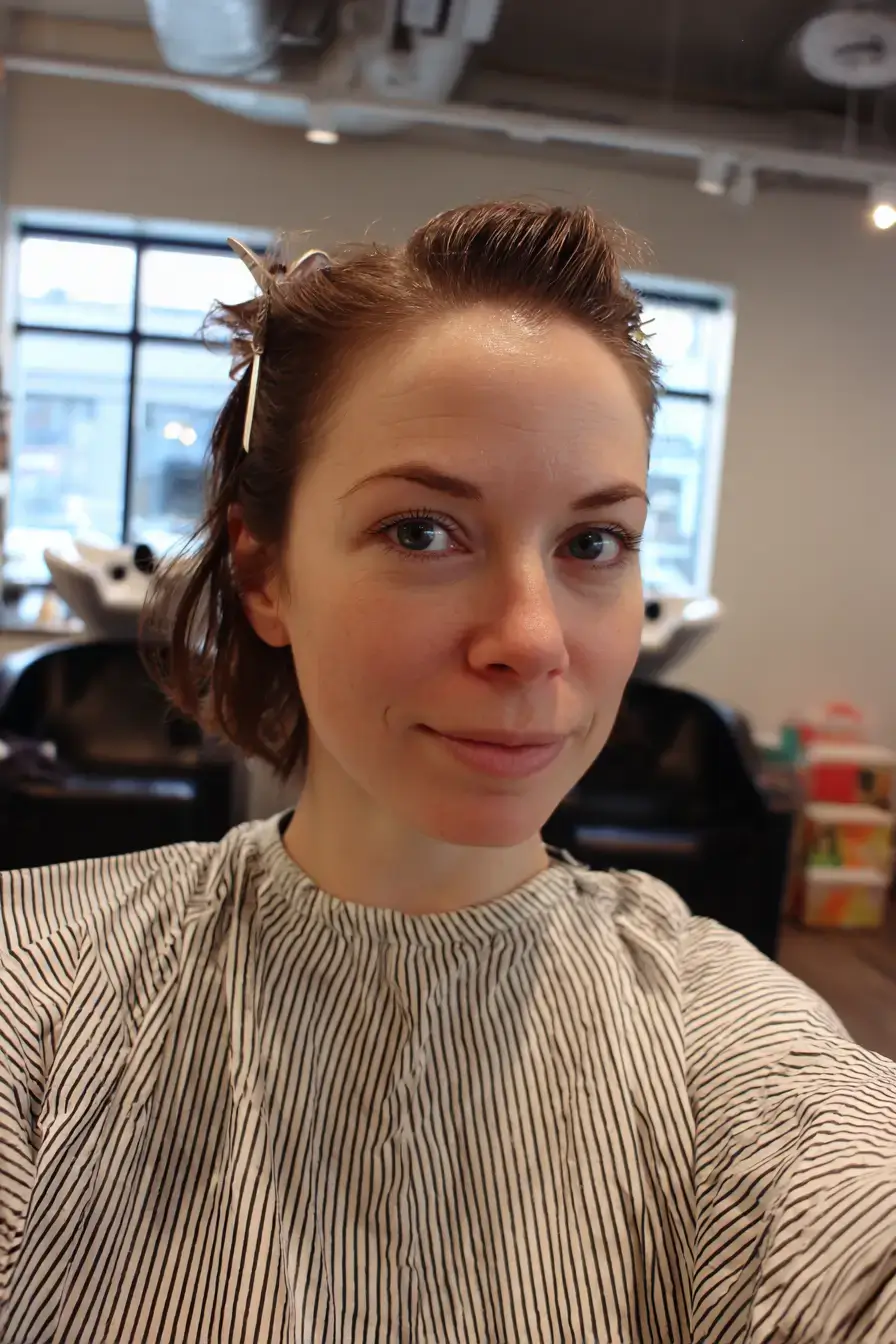
Clipping curtain bangs back shows the forehead on days the fringe sits wrong. I cut the bangs from the nose to the cheekbone splitting at the center, then point cut one layer at the cheekbone so the pinned pieces blend. It suits fine density and most face shapes. Blow-dry with a flat brush, then pin the bangs back with a small claw clip at the crown. Trim every five weeks.
26. Curtain Bangs for Thin Hair at the Front Hairline
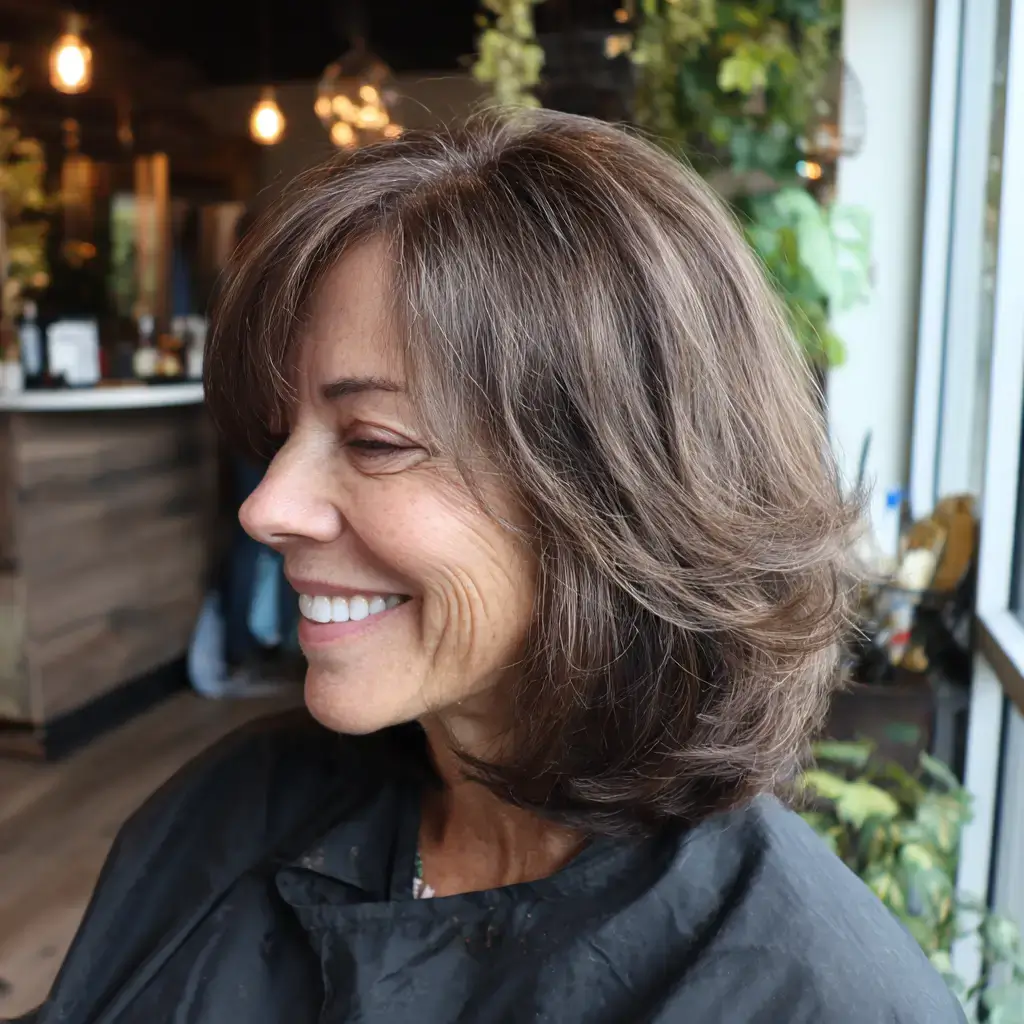
A thin front hairline takes curtain bangs sectioned from further back so the fringe reads full. I section back to the crown, cut from the nose to the cheekbone splitting at the center, then texturize only the last half inch. It suits fine density and oval or round faces. Blow-dry out with a round brush and a root lifting mousse. Trim every five weeks.
27. Copper Curtain Bangs
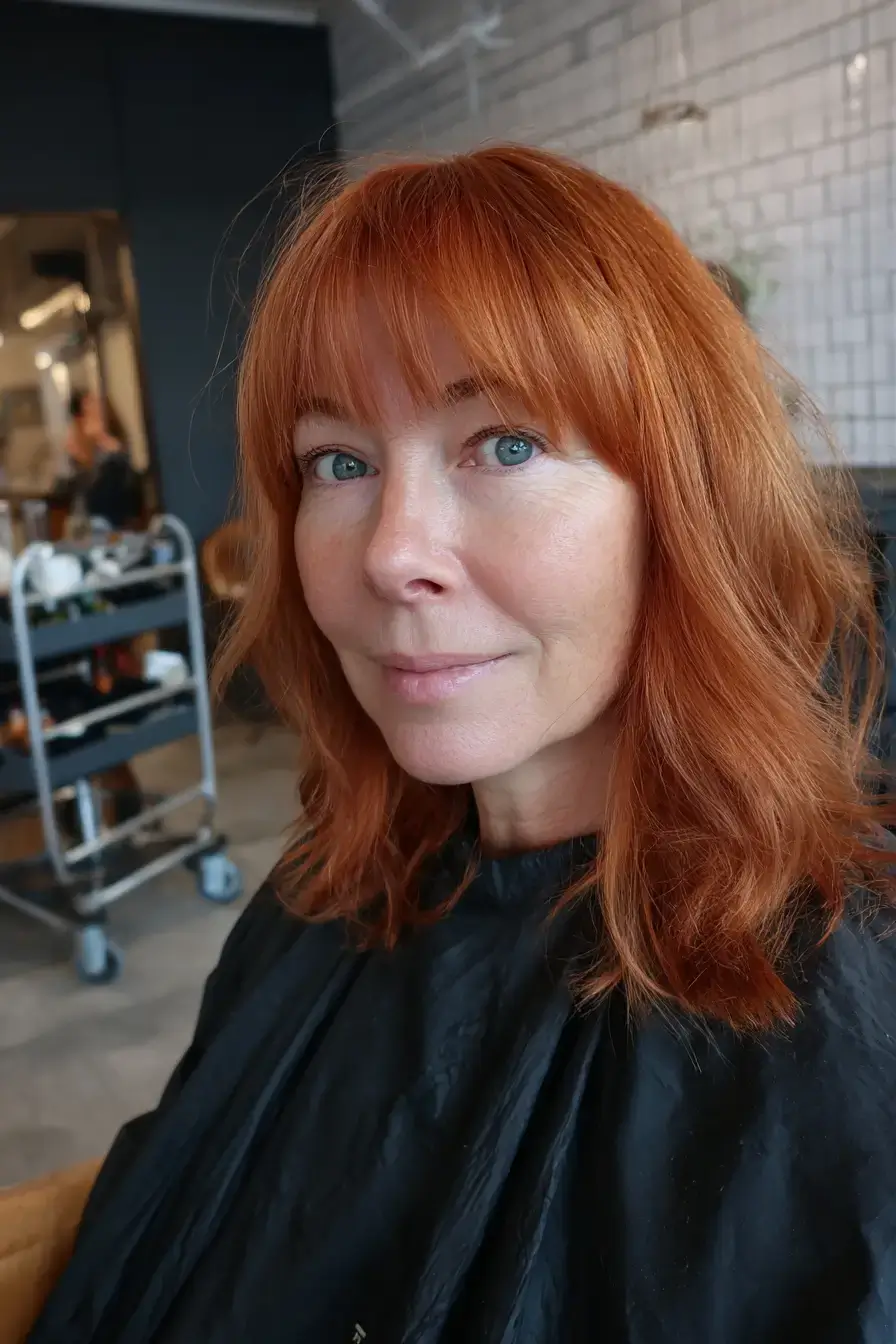
Copper through curtain bangs reads bright against the forehead. I cut the bangs from the nose to the cheekbone splitting at the center, then apply a level seven copper at the root and a demi on the ends. It suits fine density and warm skin tones. Blow-dry the bangs out with a round brush and finish with serum. Trim every five weeks and refresh the tone every five.
28. Bottleneck Curtain Bangs
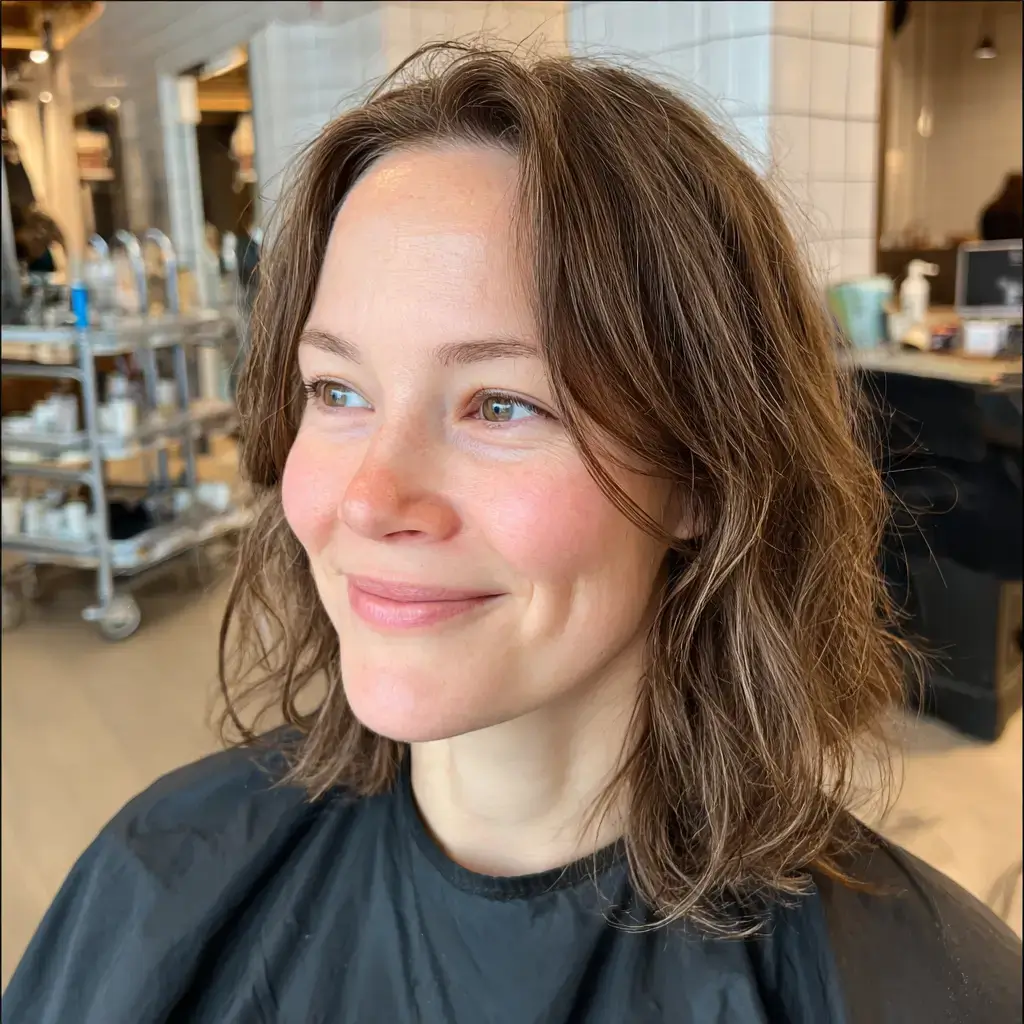
Bottleneck curtain bangs sit short at the center and widen to the cheekbone. I section a triangle, cut the center at the brow, cut the sides down to the cheekbone, then point cut the join. It suits fine density and oval or long faces. Blow-dry the center flat and the sides out with a round brush. Trim every five weeks.
29. Curtain Bangs With Dark Roots

Dark roots behind blonde curtain bangs give fine hair depth at the hairline. I cut the bangs from the nose to the cheekbone splitting at the center, then apply a level six demi at the root and leave the bangs and lengths level nine. It suits fine density and most skin tones. Blow-dry the bangs out with a round brush and a root lifting mousse. Trim every five weeks and refresh the root every ten.
30. Sleek Curtain Bangs
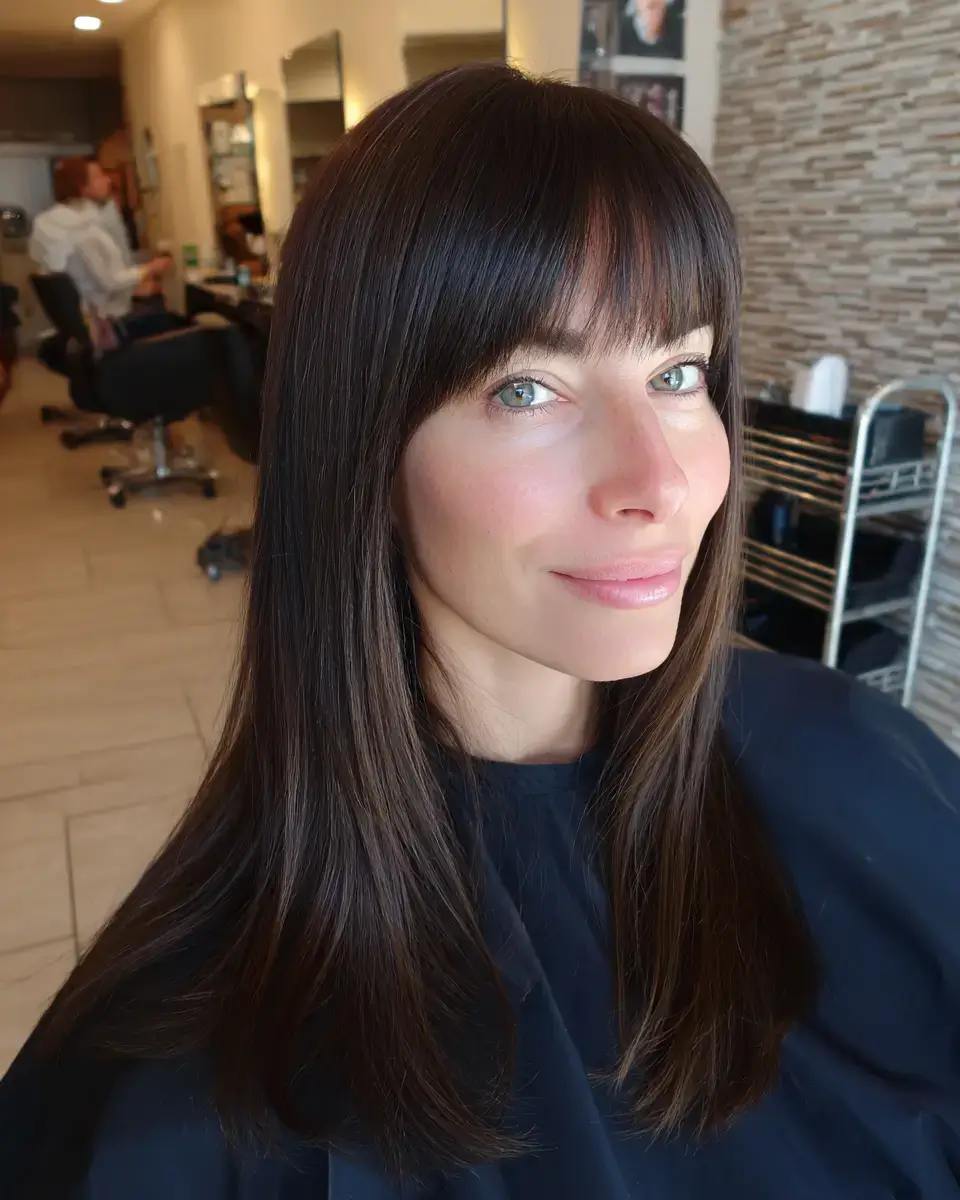
For sleek curtain bangs fine hair needs a deep section so the split reads full against a smooth surface. I section back to the crown, cut from the nose to the cheekbone splitting at the center, then texturize only the last quarter inch. It suits fine density and oval or long faces. Blow-dry out with a round brush, then pass a flat iron through the bangs with a heat protectant. Trim every five weeks.
31. Textured Curtain Bangs

Textured curtain bangs are point cut through the whole fringe so nothing reads blunt. I section a triangle, cut from the nose to the cheekbone, then point cut the last inch with the shears straight in. It suits fine density and oval or heart faces. Rough-dry with a texture spray and push the pieces apart with your fingers. Trim every five weeks.
32. Dark Brunette Curtain Bangs
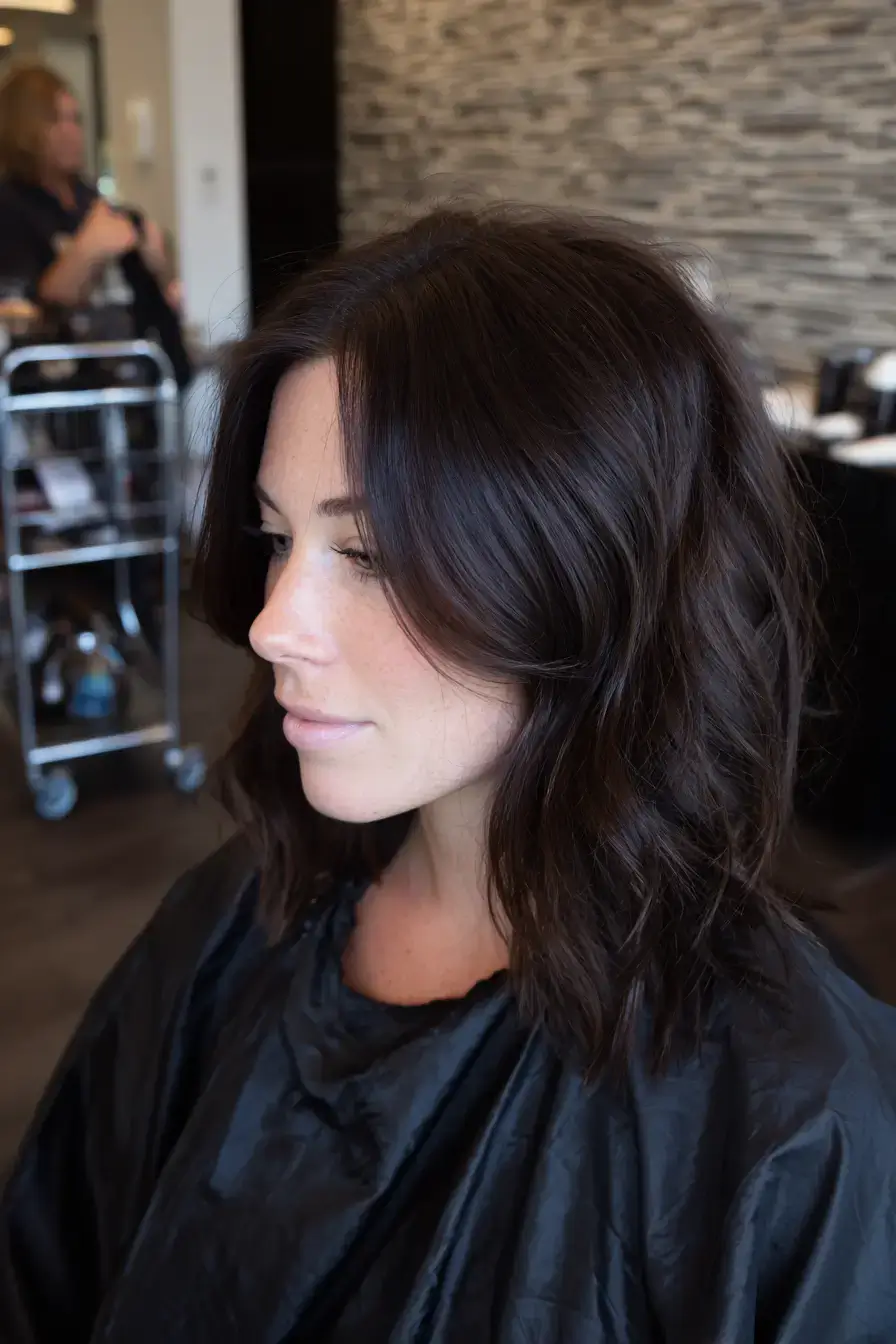
Dark brunette through curtain bangs makes the split read sharp. I section back to the crown, cut from the nose to the cheekbone splitting at the center, then apply a level four demi from root to end. It suits fine density and cool or neutral skin tones. Blow-dry the bangs out with a round brush and finish with serum. Trim every five weeks and refresh the tone every eight.
33. Curtain Bangs With Flipped Ends
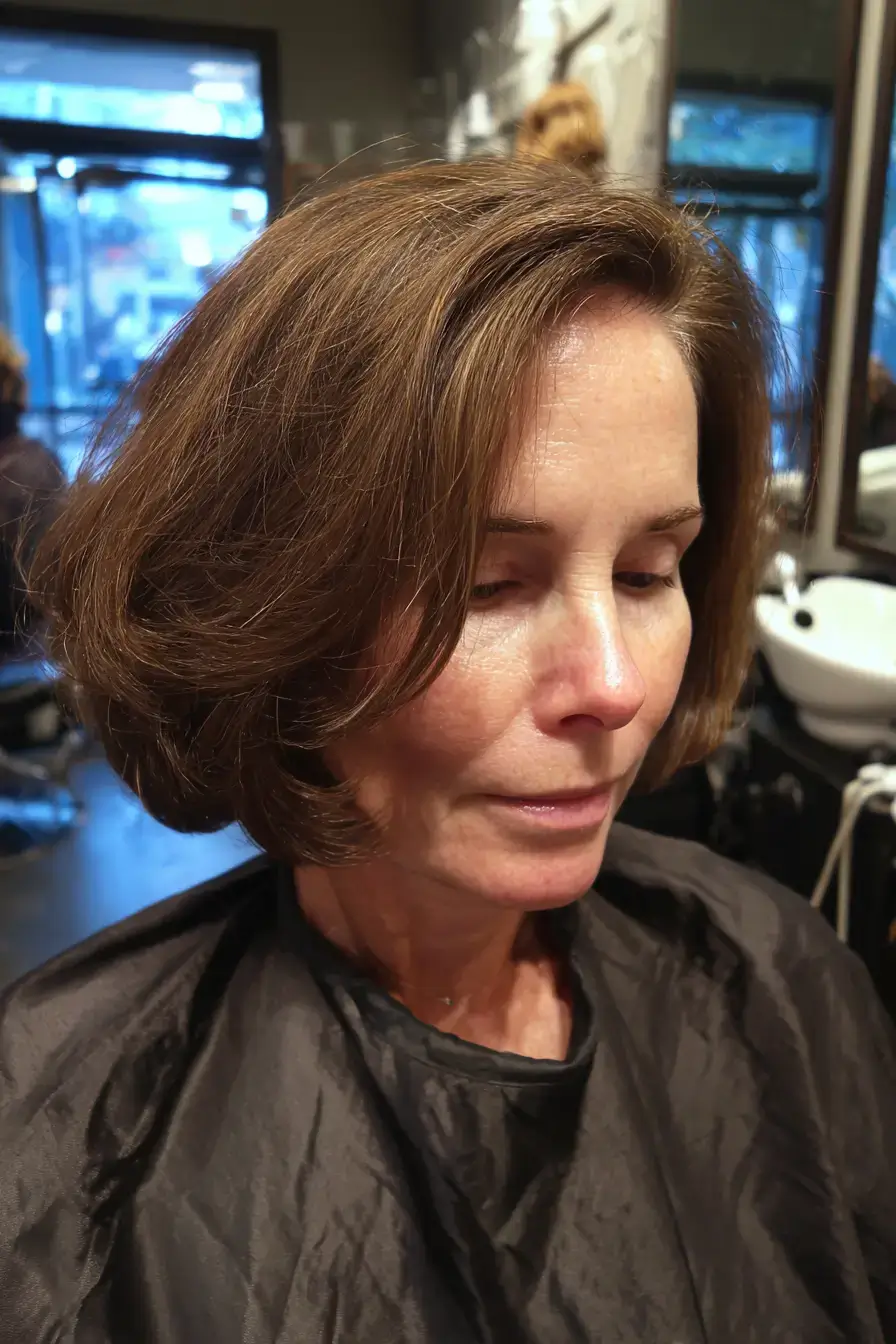
Flipped ends under curtain bangs give the whole cut a direction. I cut the bangs from the nose to the cheekbone splitting at the center, cut the perimeter at the chin, bevel the ends, then texturize. It suits fine density and oval or long faces. Blow-dry the ends out with a round brush rolling away from the face and the bangs out. Trim every five weeks.
34. Half Up With Curtain Bangs
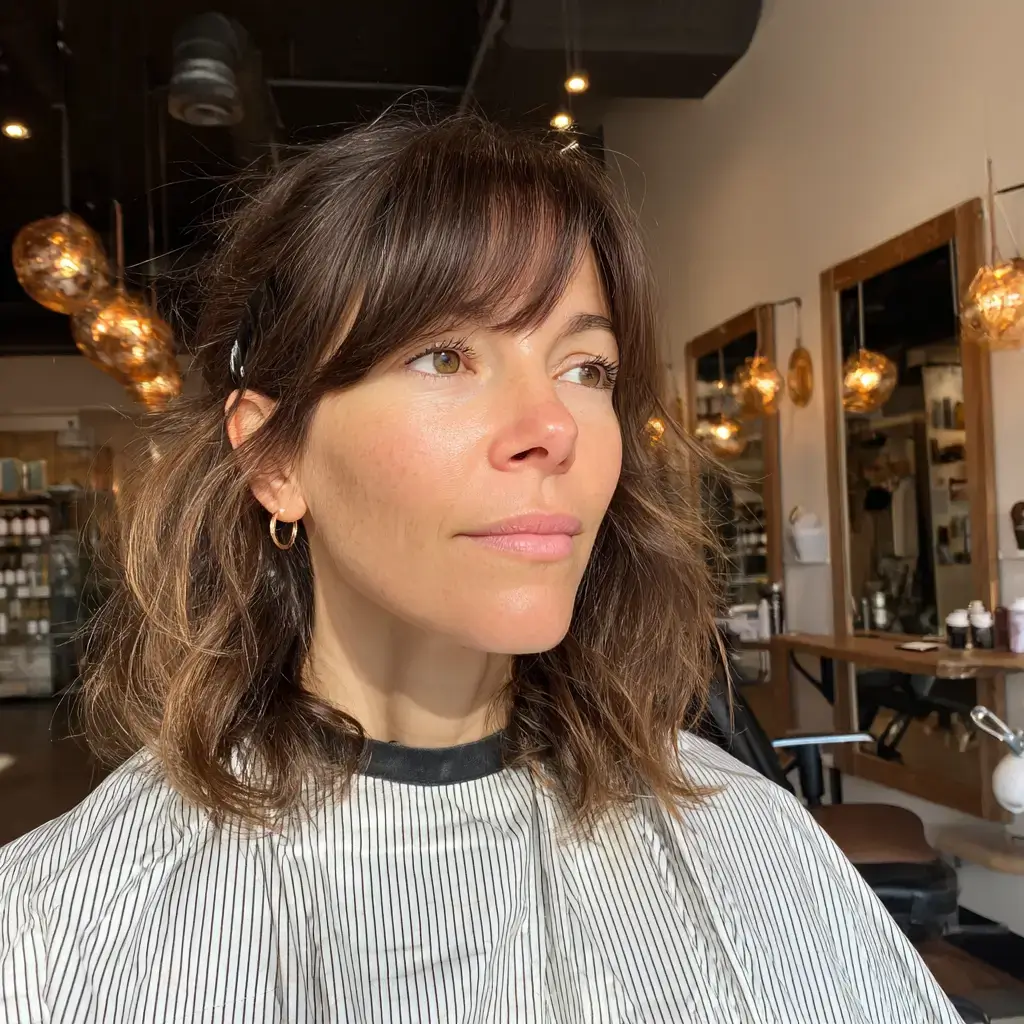
A half up style shows curtain bangs and the layers at once. I cut the bangs from the nose to the cheekbone splitting at the center, then point cut one layer at the cheekbone. It suits fine density and most face shapes. Blow-dry the bangs out, then gather the top half at the crown with a small claw clip and leave the bangs down. Trim every five weeks.
35. Curtain Bangs With Shoulder Length Layers
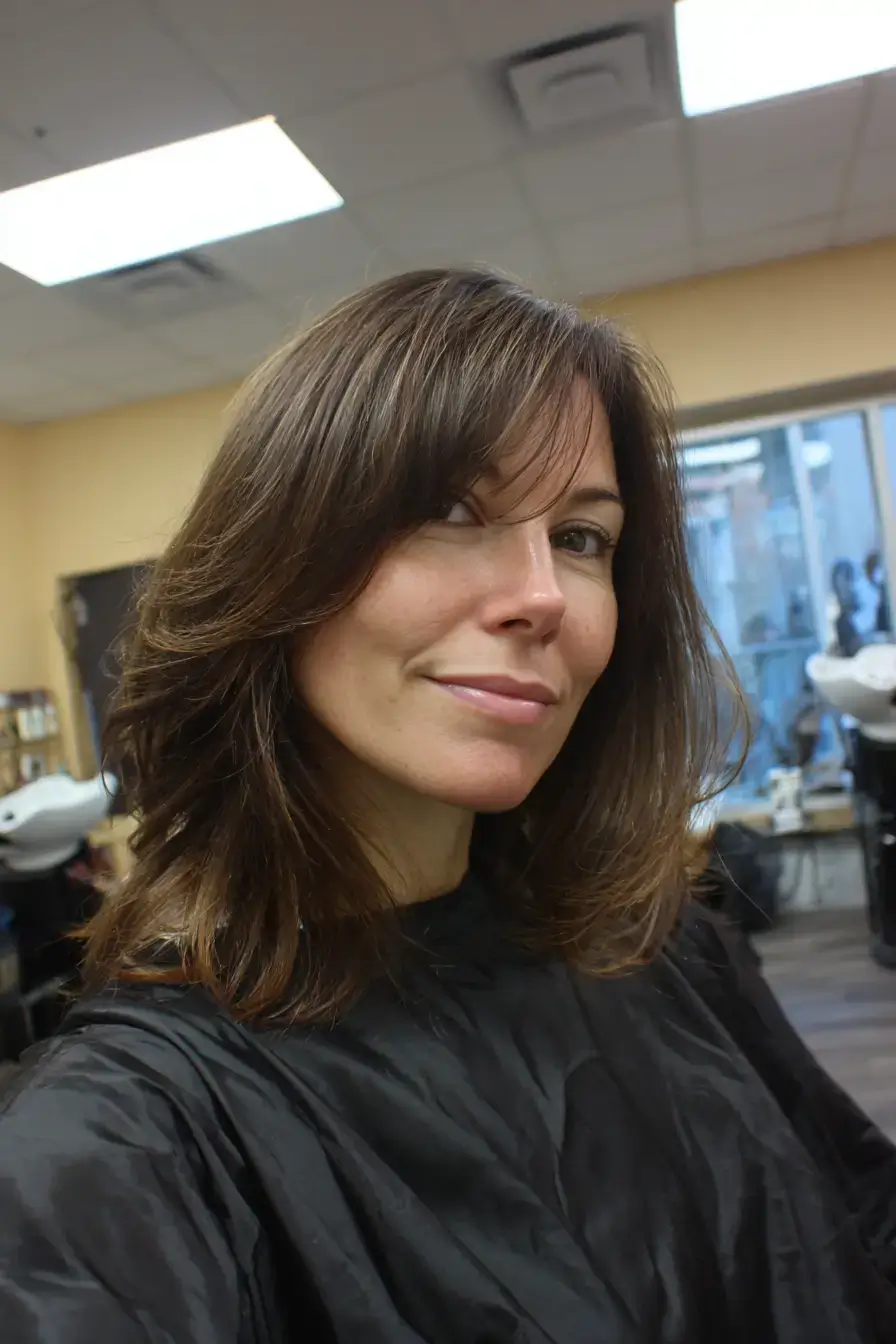
Shoulder length layers behind curtain bangs give the fringe something to blend into. I cut the bangs from the nose to the cheekbone splitting at the center, cut the perimeter at the shoulder, then point cut long layers from the jaw. It suits fine density and oval or round faces. Blow-dry with a round brush rolling under and the bangs out. Trim every five weeks.
36. Curtain Bangs Tucked Behind One Ear
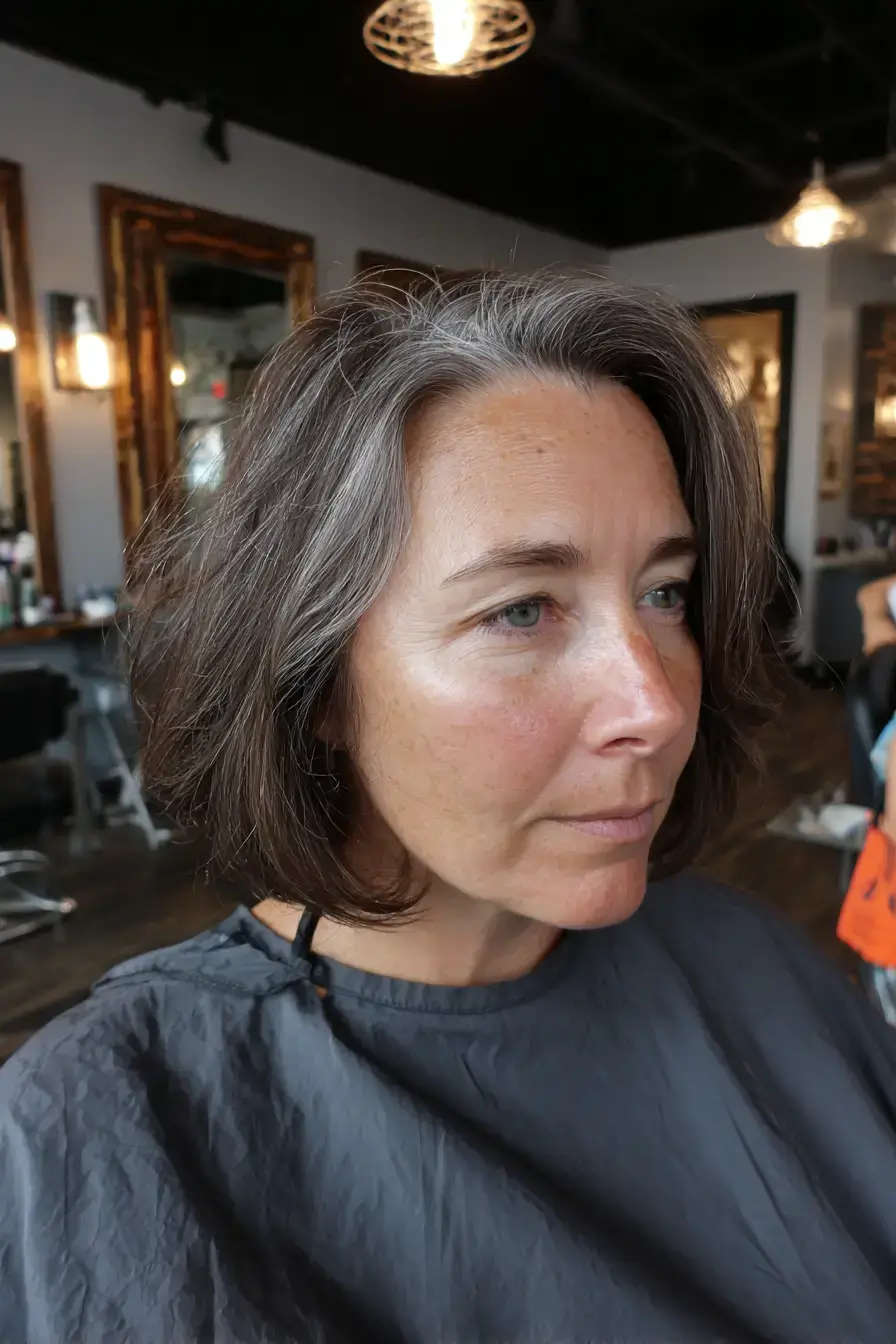
Tucking one side of curtain bangs behind the ear shows the split and the jawline at once. I section a triangle, cut from the nose to the cheekbone, then point cut the ends so they tuck without poking out. It suits fine density and oval or heart faces. Blow-dry out with a round brush and tuck the long side. Trim every five weeks.
37. Curtain Bangs With Graduated Bob
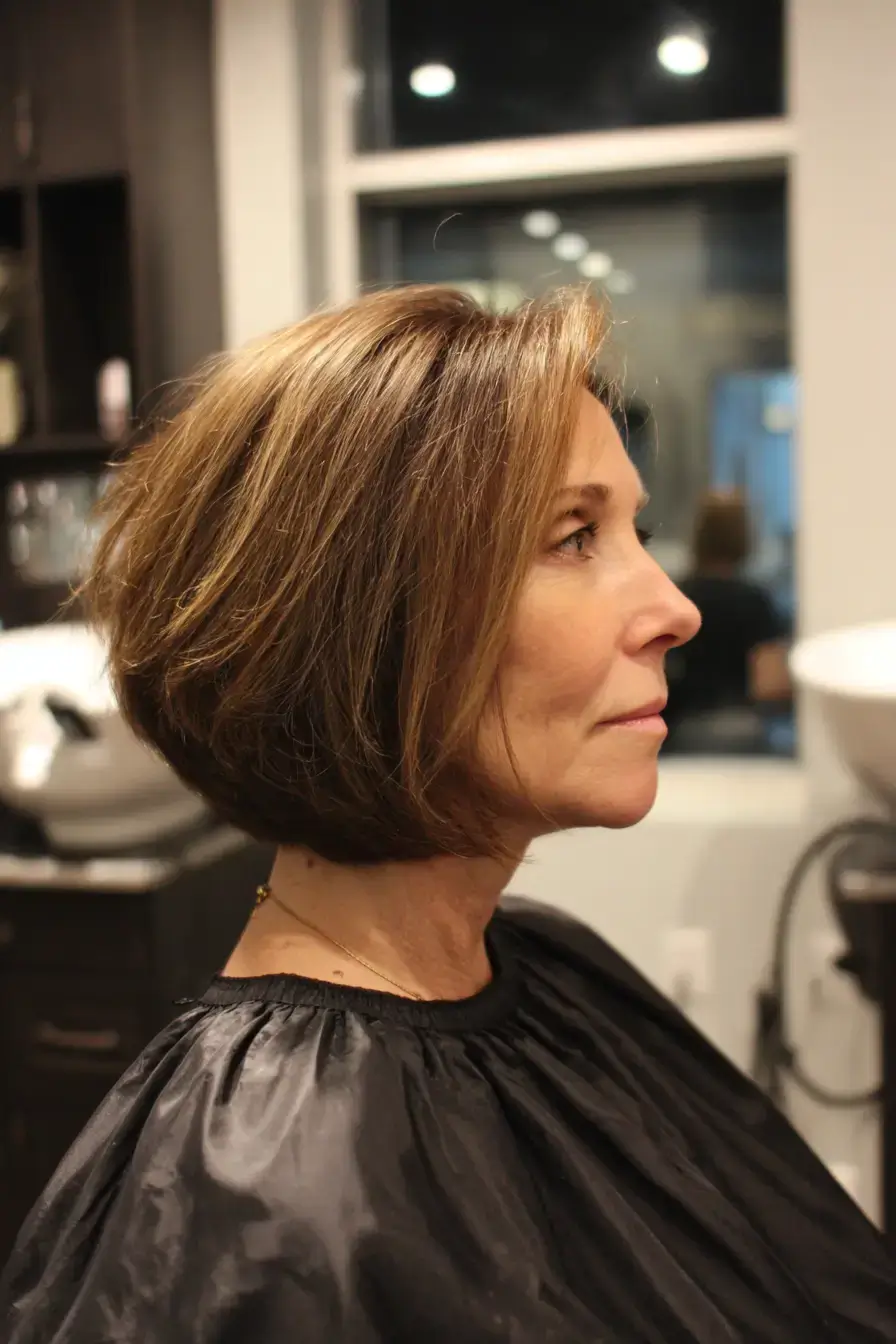
A graduated bob under curtain bangs builds weight at the occipital bone. I cut the nape short with graduation on dry hair, leave the front at the chin, section a triangle, then cut the bangs from the nose to the cheekbone. It suits fine density and round or square faces. Blow-dry the back with a round brush rolling under and the bangs out. Trim every five weeks.
38. Curtain Bangs on a Pixie
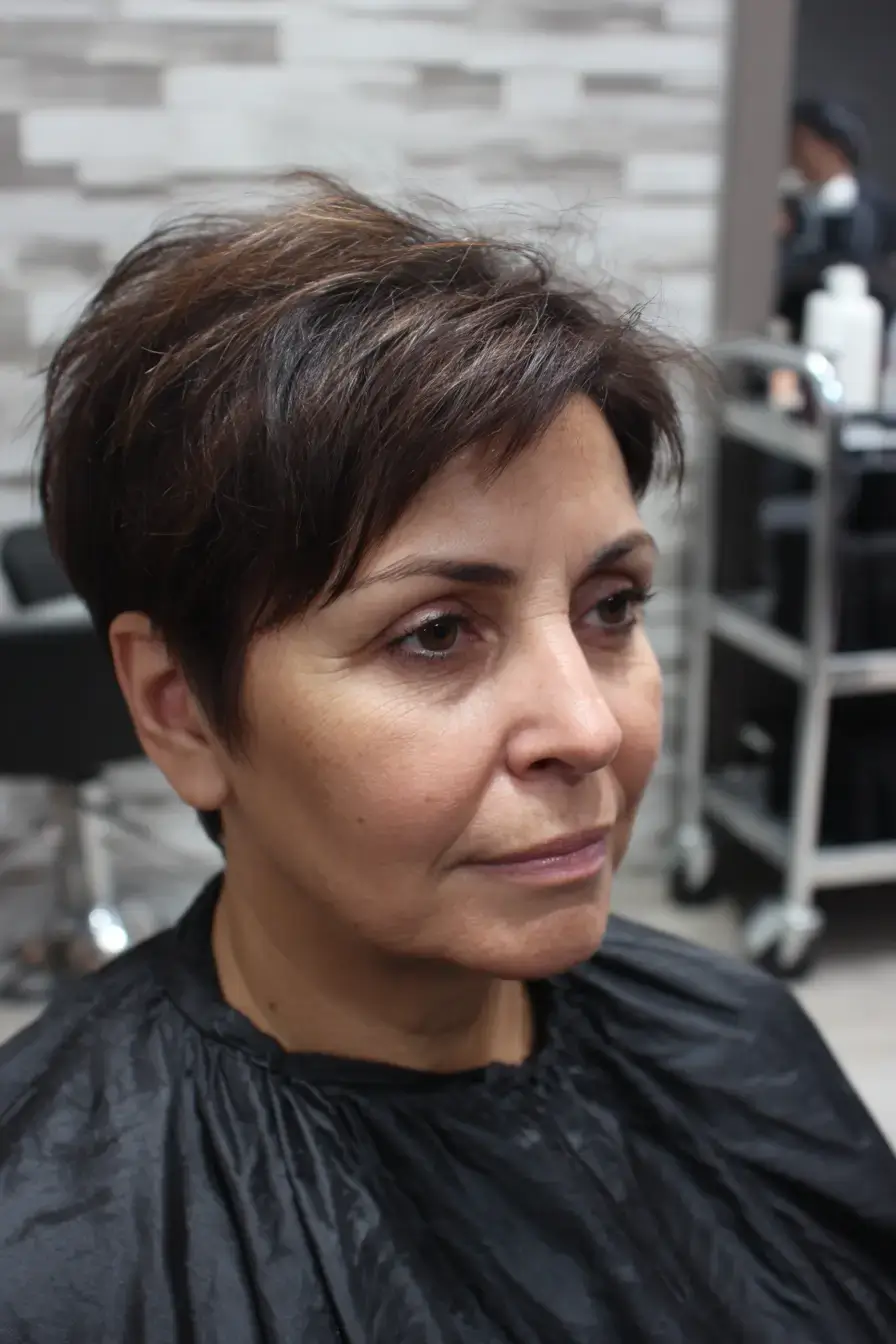
Curtain bangs on a long pixie are the only length left at the front. I cut the sides and nape with scissor over comb on dry hair, leave the front section long, then cut it from the nose to the cheekbone splitting at the center. It suits fine density and oval or heart faces. Blow-dry the bangs out with a small round brush. Trim every four weeks.
39. Curtain Bangs With Side Part
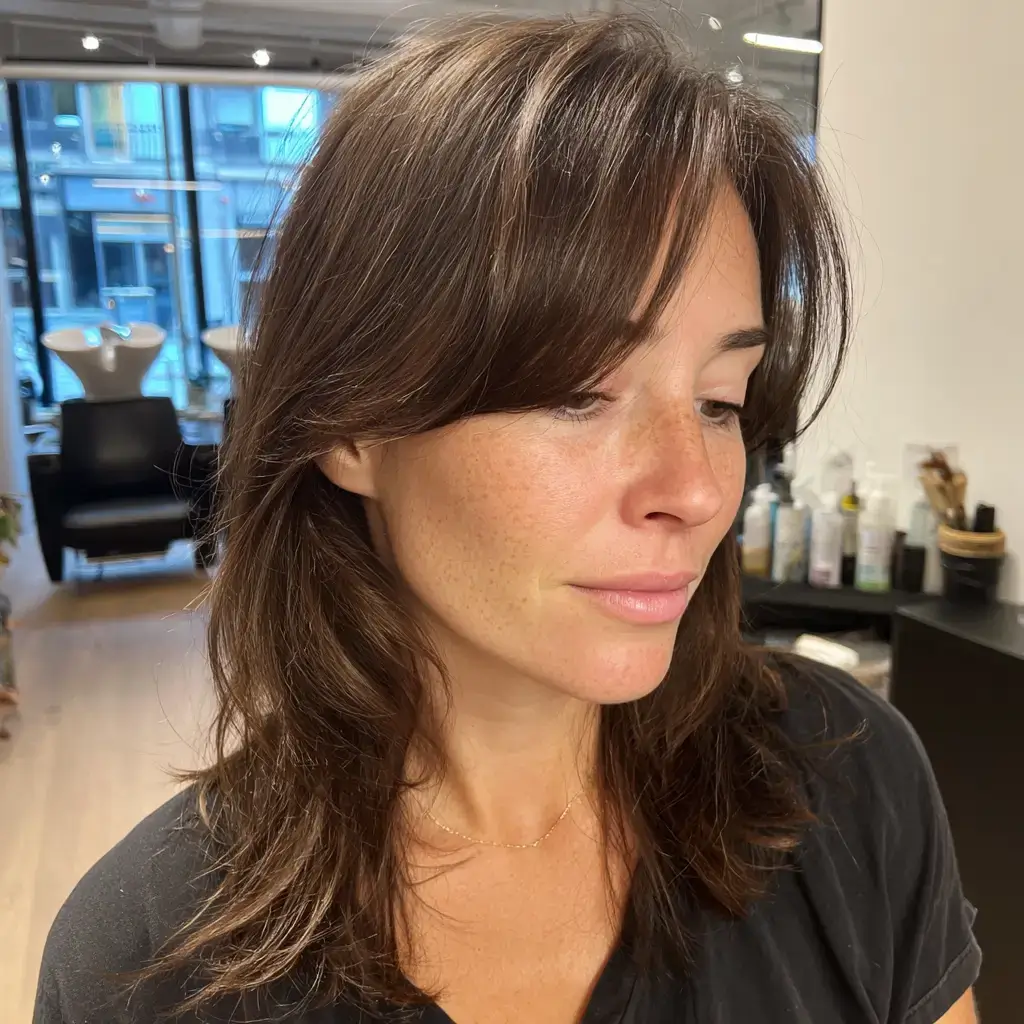
A side part behind curtain bangs throws one side longer than the other. I section a triangle, cut the short side from the brow to the cheekbone and the long side from the nose to the jaw, then point cut the ends. It suits fine density and round or square faces. Blow-dry out with a round brush. Trim every five weeks.
40. Wavy Curtain Bangs
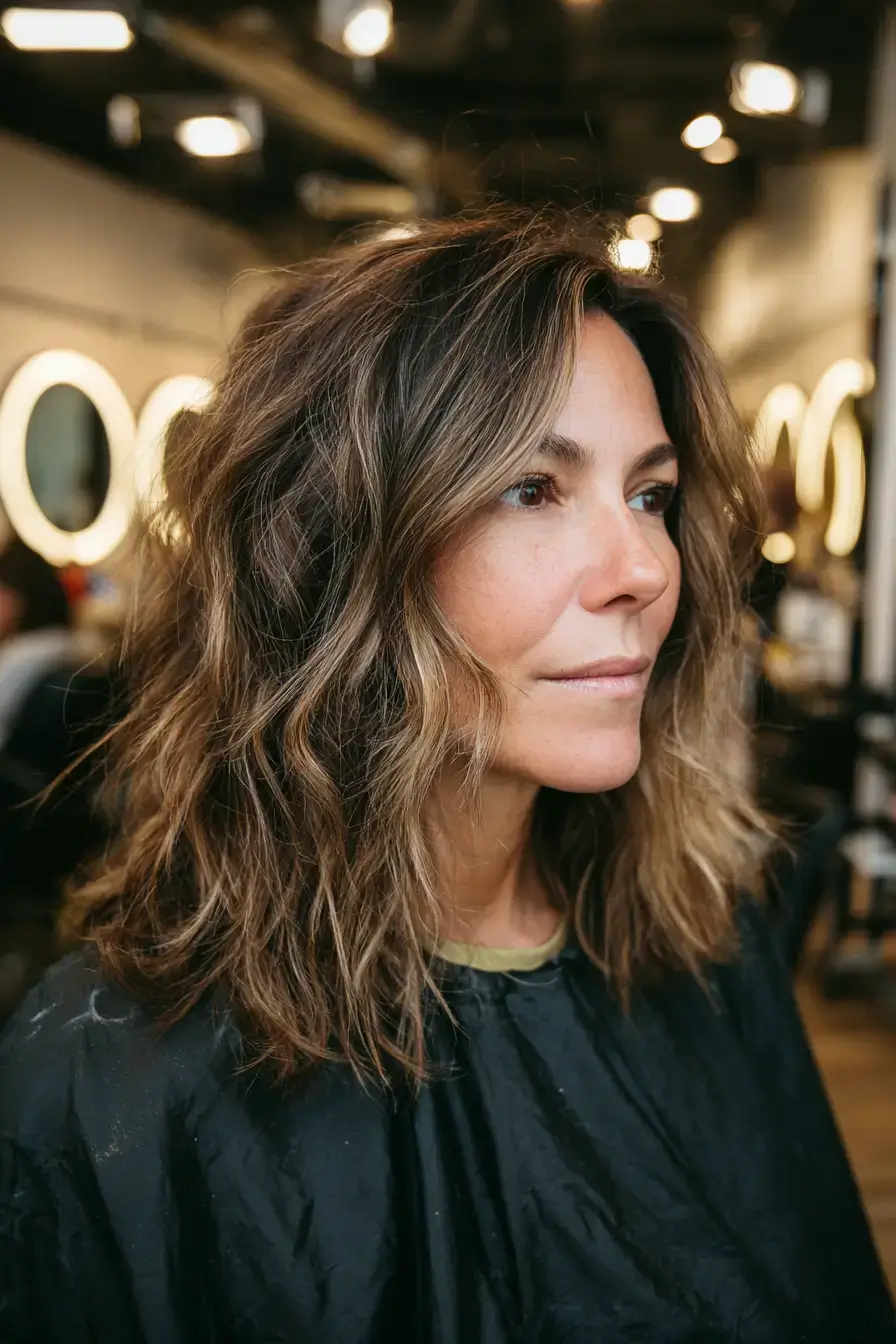
Wavy fine hair curtain bangs are cut on dry hair so the wave sets the split where it falls. I section a triangle, cut from the nose to the cheekbone where the wave bends, then point cut the ends. It suits fine density and 2A to 2C waves. Scrunch a sea salt spray through the bangs and air-dry. Trim every five weeks.
41. Curtain Bangs With Shadow Root
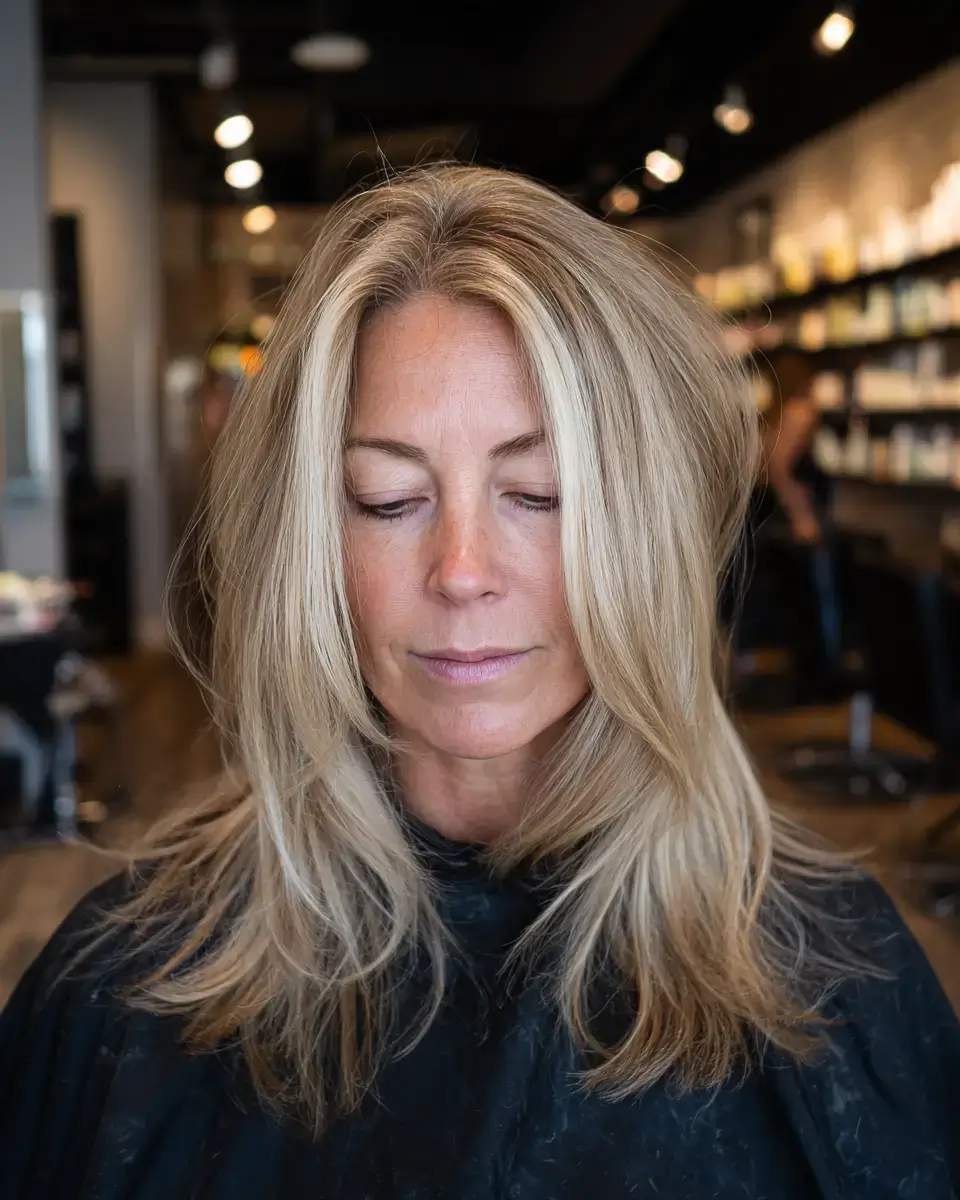
A shadow root behind curtain bangs makes the part read darker so fine hair shows less scalp. I cut the bangs from the nose to the cheekbone splitting at the center, then apply a level six demi at the root and leave the lengths level nine. It suits fine density and most skin tones. Blow-dry the bangs out with a round brush. Trim every five weeks and refresh the root every ten.
42. Curtain Bangs With Internal Layers
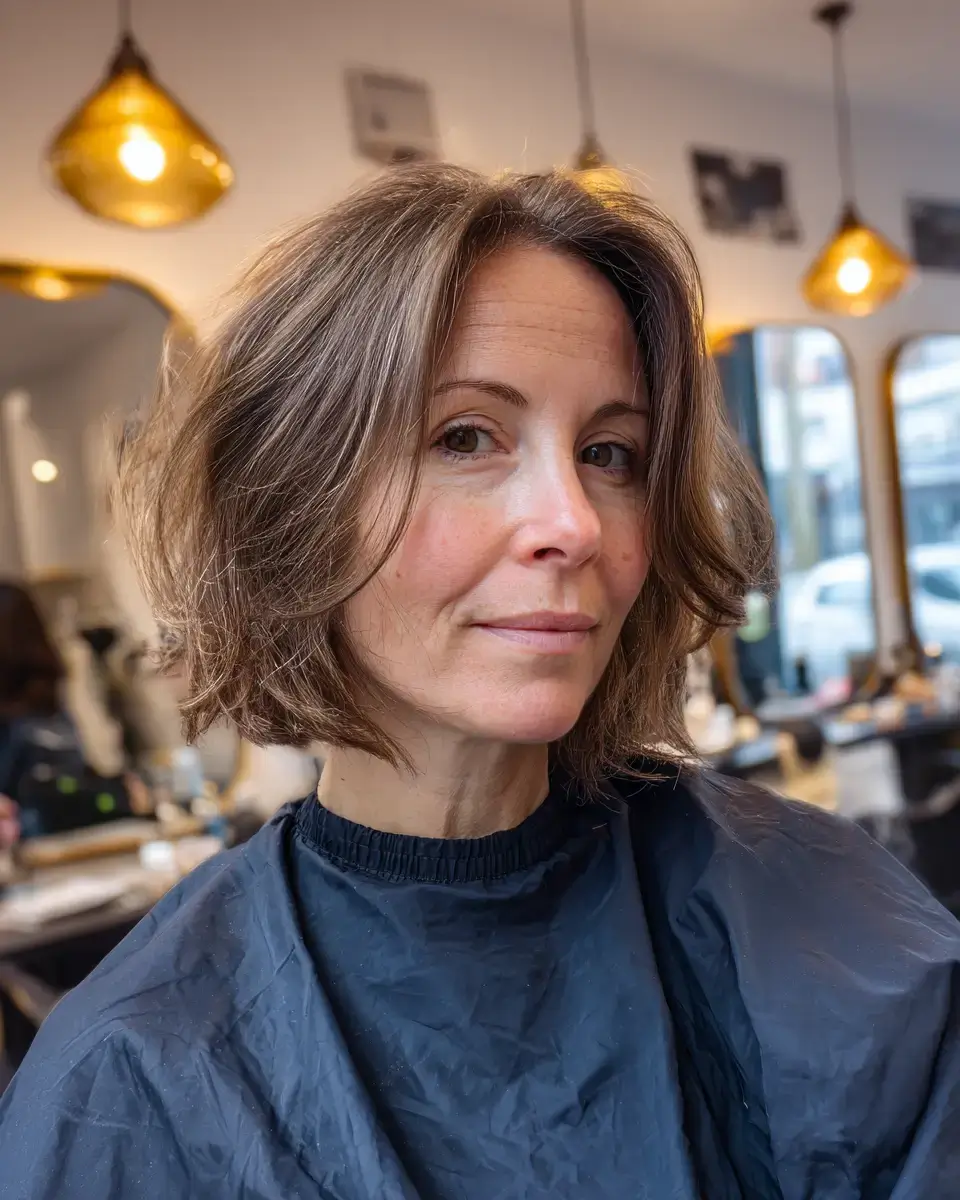
Internal layers behind curtain bangs lift the top while the perimeter stays solid. I cut the bangs from the nose to the cheekbone splitting at the center, cut the perimeter at the collarbone with the shears flat, then cut layers underneath that never reach the surface. It suits fine density and oval or round faces. Blow-dry with a round brush rolling under and the bangs out. Trim every six weeks.
43. Curtain Bangs on a Blunt Cut

Curtain bangs on a blunt cut give fine hair one soft line above one solid one. I cut the perimeter at the collarbone on dry hair with the shears flat, section a triangle, then cut the bangs from the nose to the cheekbone splitting at the center. It suits fine density and oval or long faces. Blow-dry flat with a paddle brush and the bangs out. Trim the bangs every five weeks.
44. Curtain Bangs With a Zigzag Part
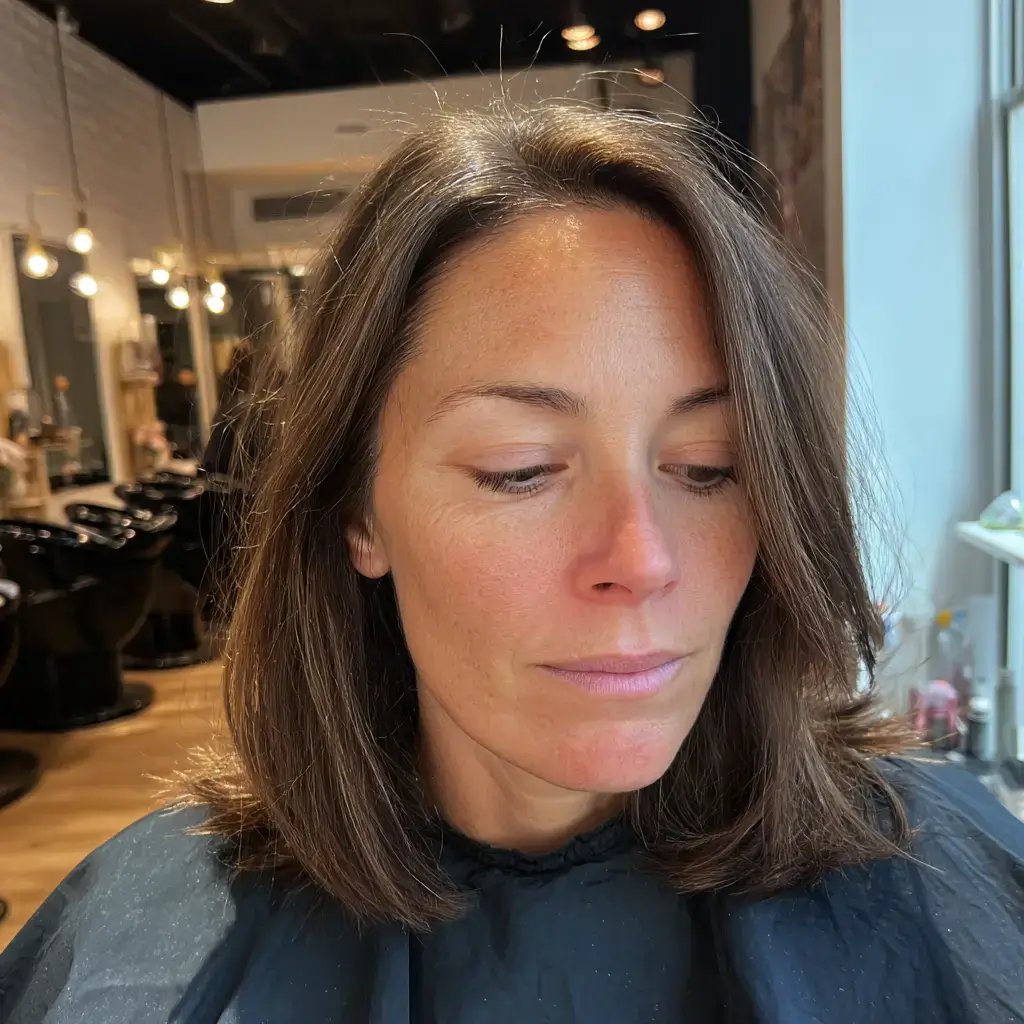
A zigzag part behind curtain bangs hides a thin part line. I cut the bangs from the nose to the cheekbone splitting at the center, then part the rest in a zigzag with the tail of a comb. It suits fine density and oval or long faces. Blow-dry the bangs out with a round brush and the length away from the face. Trim every five weeks.
45. Low Maintenance Curtain Bangs

The low maintenance version is a soft curtain fringe that air-dries and grows out into face framing layers. I section a narrow triangle, cut from the nose to the cheekbone splitting at the center, then texturize. It suits fine density and most face shapes. Apply a light cream to damp bangs, part at the center, and leave them alone until dry. Trim every six weeks.
Fine hair tends to go flat at the fringe by mid-afternoon unless the section is cut deep enough to hold its split, so the center has to be weighted. Curtain bangs for fine hair work best when the side pieces blend into long layers so there is no hard line. A round brush under the part is what keeps them open. oval face haircuts follow the same rule: keep the perimeter solid and let the layers do the lifting.


